BIR clarifies refund or credit rules for excess tax payments: How to check a casino tax claim before depositing
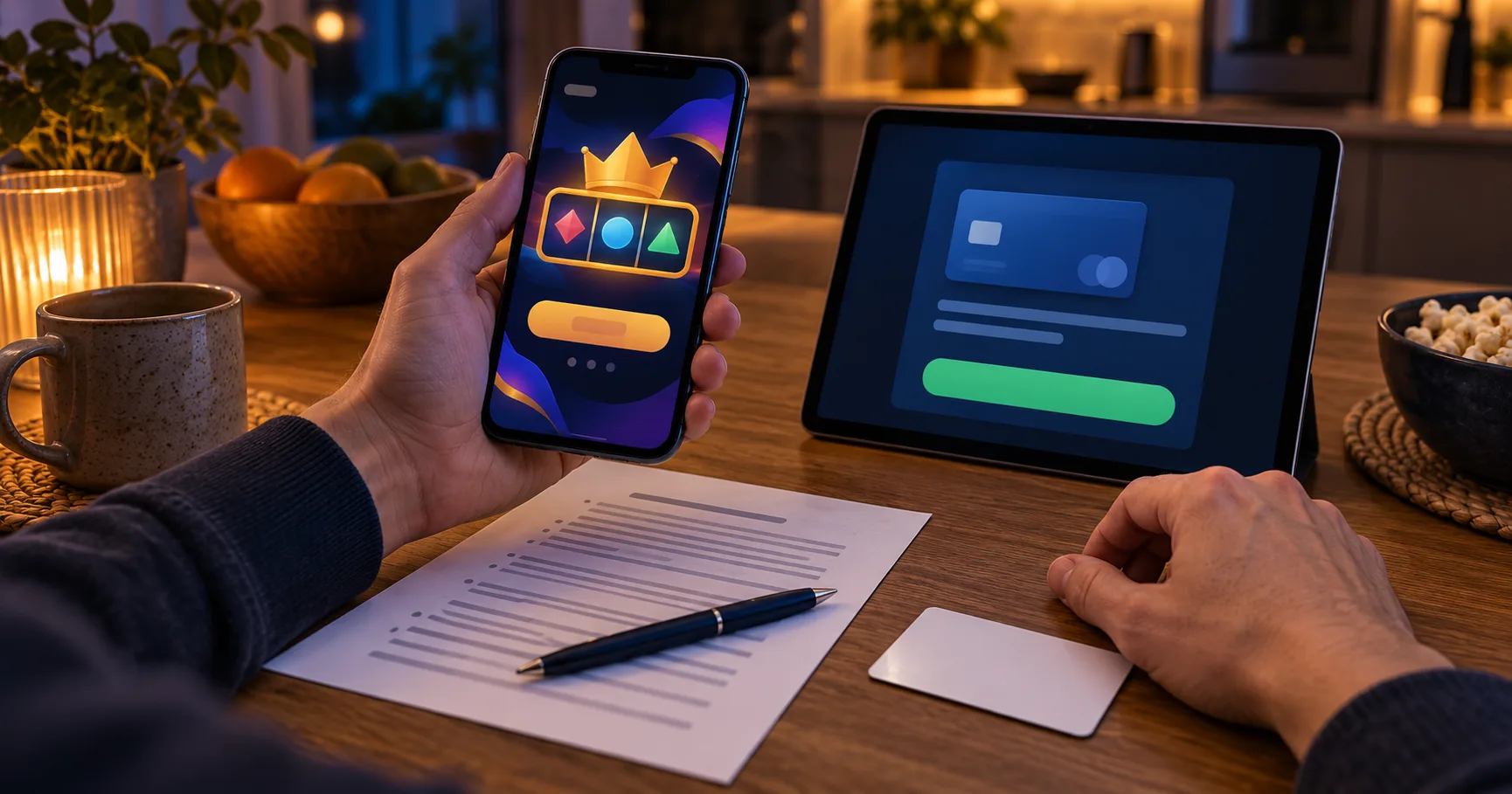
You have a longer session planned for Saturday night. While checking a casino on your phone, you see a message about a tax refund or credit beside a deposit offer. Your GCash or Maya balance is ready, but the message does not explain who receives the refund, which payment it concerns, or where the rule appears. Those details matter before you transfer PHP 500.
The phrase “BIR clarifies refund or credit rules for excess tax payments” concerns tax payments. It does not, by itself, establish that a casino owes a player money, can reduce a deposit, or can add a credit to a gaming wallet. A trustworthy explanation should identify the taxpayer, the payment said to be excessive, and the official rule it relies on. If the claim turns into a request to deposit quickly, pause and check each part separately.
Why the tax claim deserves a check before your deposit
A weekend player can move from a promotion page to an e-wallet confirmation in less than a minute. That speed makes a tax-themed promise unusually easy to mistake for part of the cashier terms. A government tax process, a casino promotion, and an e-wallet transfer are separate things. Seeing all three on one page does not make them one entitlement.
Consider a clearly hypothetical example: you intend to deposit PHP 500, and a page says a “tax credit” will add PHP 200 after payment. The useful question is not whether PHP 700 sounds attractive. It is who provides the extra PHP 200, what conditions apply, and whether the casino's own cashier and promotion terms show the same offer. If the page instead says you must send another PHP 200 to release a refund, treat that as a separate payment request requiring its own explanation.
For a player who makes a few longer sessions each week, an unclear balance can affect more than one evening. You might count a promised credit in your session budget, continue wagering while a transfer is unresolved, or submit personal documents through a link you have not checked. Verification gives you a clear stopping point before those decisions compound. It also gives you records to use if a payment goes through but the advertised credit does not appear.
Six checks before you send money or documents
Run these checks on the same device you would use to deposit. Mobile data can drop while pages load, so wait for each page to finish before relying on a banner or a partial screenshot. Keep the site address visible as you move between the promotion, cashier and support pages.

- Open the casino address directly and compare it with the address shown in its own messages; look for unexpected spelling, extra words or a different destination after tapping.
- Find the site's company details and written terms, then check whether the tax statement identifies the payer, the payment involved and a source you can examine independently.
- Search the BIR's official website for the cited tax rule or document, and compare its scope with the casino's claim rather than trusting a cropped image.
- Read the cashier and promotion terms together; establish whether the promised amount is a payment refund, a promotional credit or a balance with wagering conditions.
- Check the payment destination in GCash, Maya or your chosen channel before confirming; the recipient displayed there should make sense for the transaction you intended.
- Ask support one precise question in the site's normal channel, save the reply, and postpone the deposit if the answer changes the claim or leaves its conditions unclear.
The third check needs particular care. A BIR page can help you understand what its tax guidance says, but it cannot confirm that a casino's separate offer will be honoured. Likewise, a promotion page cannot establish that a tax refund is due to you. Match each statement to the source responsible for it. If the casino cites an official document, read enough of that document to see who it addresses and what kind of payment it covers.
On a phone, inspect the full address rather than the name shown in a search result or chat message. A familiar logo is easy to copy, and an image of a tax document can omit the paragraph that limits its meaning. Checking a casino site address is useful when two links look similar and you need to decide which page to examine. Return to the cashier only after you know which site you are using.
Promotion wording deserves its own pass. “Refund,” “credit,” and “bonus” can lead to different balances and different conditions. For example, a hypothetical PHP 200 promotional credit might be visible in a wallet yet remain unavailable for withdrawal until its stated conditions are met. That example does not describe any particular offer. Read bonus withdrawal rules if a balance appears in a separate bonus field or the terms mention game contribution, expiry or a withdrawal cap.
Before tapping confirm, compare the amount on the casino cashier with the amount on the payment channel's confirmation screen. If you set aside PHP 500 for the session, an extra PHP 200 request changes your planned outlay to PHP 700. The arithmetic is simple; the reason for the extra charge still needs checking. Record what each screen actually says before deciding whether to proceed.
Warning signs in a refund or credit pitch
A single awkward sentence is not proof of fraud. Several mismatches, however, can show that a page is asking you to rely on a promise it does not explain. Pay particular attention when the tax language appears only in an ad, private message or payment instruction, while the site's published terms say something else.
- A page promises a BIR-linked wallet credit but gives no document, taxpayer explanation or written promotion terms that connect the claim to your payment.
- A chat agent asks for a second transfer to “unlock” money, while the cashier shows no matching charge or reason for paying it.
- The payment recipient changes between screens, or a message directs you to a personal account without a clear connection to the site's cashier.
- A link to a supposed tax explanation opens a form requesting your e-wallet PIN, one-time code or other details unrelated to reading tax guidance.
- Support describes the amount as withdrawable cash, while the account displays it as a promotional balance subject to conditions you cannot locate.
These signs matter because they change what you are being asked to trust. A claim about tax treatment should be traceable to tax guidance. A claim about an account credit should be traceable to the site's written offer and your account record. A payment instruction should match the transaction you chose in the cashier. When one claim is used to excuse a mismatch in another place, stop the transfer and preserve what you can see.
Timing can add pressure. If you usually play after dinner on Friday or Saturday, a message saying the offer expires before your session ends may push you to skip the terms. The same applies during the Christmas build-up, when a player may be dividing spare cash among outings, gifts and entertainment. A missed offer costs nothing already in your wallet; an unexplained transfer uses money you had assigned elsewhere.
If a payment or promised credit does not line up
Start with the point where the records diverge. A successful e-wallet transfer and an absent casino balance are different from a visible casino balance that cannot be withdrawn. A tax-themed promise absent from the written promotion terms is another issue again. Naming the difference helps support investigate it and keeps you from repeating a payment that may already have gone through.
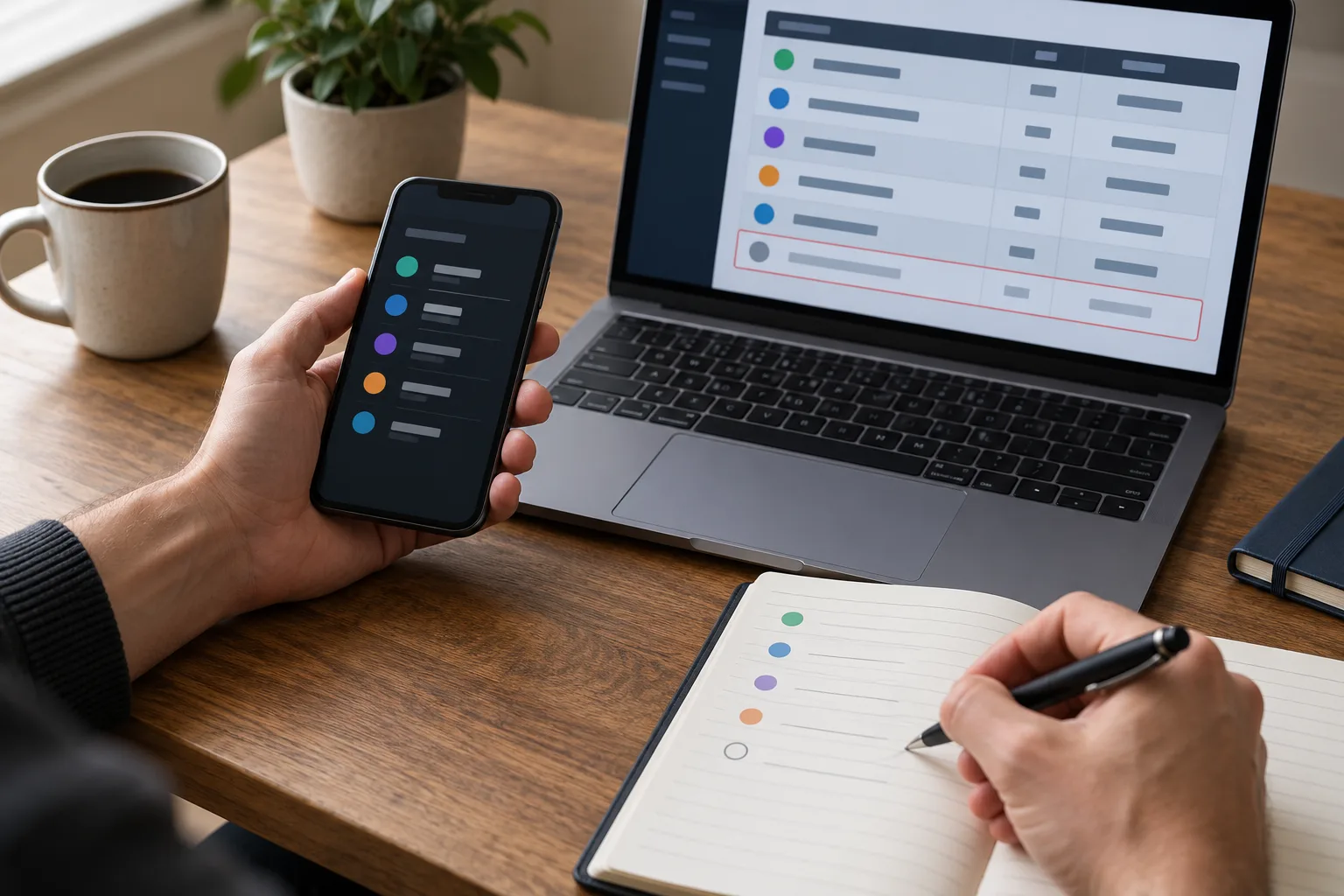
Save the cashier amount, payment channel status, transaction reference and account balance as they appear. Capture the promotion's wording and terms while you can still reach them. Do not include an e-wallet PIN or one-time code in a support message. If your GCash payment shows a completed transfer but the casino account shows no matching deposit, tracing a stuck GCash payment can help you compare the two records before contacting either side.
Give support a short, reproducible account: the payment channel, the amount, the time, the transaction reference and the balance you expected to see. You can ask, “My PHP 500 transfer shows completed in Maya, but my account does not show the deposit. Which transaction does your cashier record show?” For a claimed credit, ask where the written offer defines it and which account field should display it. Keep the answer with the original screenshots.
If support says the matter is a tax refund, ask which taxpayer and payment the explanation concerns and where the cited BIR rule can be read. Those questions test the claim without assuming you qualify for a refund. If the reply points only to a banner or asks for another transfer, leave the claim unresolved until there is a written explanation you can check. Do not increase your stake to compensate for a missing balance.
When a payment channel shows a charge you did not intend, use that channel's normal dispute route and keep its case reference. When the channel confirms your intended transfer but the casino balance differs, keep the casino support case open with the same reference. Report the amounts exactly as recorded. A hypothetical PHP 500 deposit, PHP 200 advertised credit and PHP 0 credit balance are three distinct figures; combining them into “PHP 700 missing” may send the investigation toward the wrong transaction.
Questions players ask about casino tax claims
Does BIR guidance on excess tax payments mean a casino must refund my deposit?
No such conclusion follows from the phrase alone. Check what tax payment the BIR guidance covers and who may seek a refund or credit under it. Then check the casino's separate terms for any deposit refund or account credit it advertises. A casino banner cannot turn a general tax explanation into a personal payment entitlement without a clear basis.
How can I tell whether a “tax credit” is actually a casino bonus?
Look for where the amount appears in your account and how the written terms describe its use. A promotion may place value in a bonus field and attach wagering, expiry or withdrawal conditions. A tax refund claim should instead explain the relevant tax payment and process. If the language shifts between those two meanings, ask support to identify the exact balance and term before depositing.
Should I pay an extra amount to release a promised refund?
Check the payment request against the cashier, the written offer and the payment channel's recipient screen before sending anything. Ask support what the extra amount buys and where that requirement appears in the terms. If you cannot verify the reason or recipient, leave the transfer unconfirmed and keep a record of the request.
What should I do if the e-wallet says paid but the casino says unpaid?
Keep the payment reference and status from GCash, Maya or your chosen channel, then compare them with the casino cashier and account history. Contact the side whose record lacks the transaction, and provide the amount, time and reference through its normal support channel. Avoid retrying the same deposit until you understand where the first transfer went.
A trustworthy claim survives these checks without urgency or changing definitions. Before your next longer session, decide your spending limit from the money actually available in your wallet. Treat any refund or credit as usable only after you can see what it is, where it came from and what terms govern it.