BIR told: Send P203-B Marcos tax bill before Dec. 2 deadline — Reading the Wording Before Trusting a Payment Claim

You are checking your phone between errands when a forwarded tax headline appears beside a message urging you to act. On mobile data, opening the image feels easier than loading the full article. That convenience can hide the distinction that matters most: whether you are reading a request, a documented action, or somebody’s interpretation.
The phrase “BIR told: Send P203-B Marcos tax bill before Dec. 2 deadline” needs that distinction. Read it as wording to investigate, rather than evidence that a bill was sent or money collected. Its urgency does not automatically belong to you.
This walkthrough focuses on what those words establish, what requires further evidence, and how to respond when someone attaches a payment demand. You can make those checks from one phone without treating every forwarded image as a reason to spend.
Keep your money separate from the headline
Before depositing or transferring anything, identify why a tax headline appears beside the payment request. The headline names an agency, a tax bill, and a deadline. It does not, by itself, explain why a reader should send money to another person.
If the headline appears beside an online casino deposit offer, it provides no evidence that the operator deserves your trust. Assess the offer independently through checks before making a deposit. A recognisable public issue cannot establish the reliability of an unrelated service.
The same reasoning applies to someone claiming that a wallet transfer needs an additional payment because of the tax story. Ask for the actual transaction record and the written explanation of the charge. A headline cannot connect those separate matters.
On a small screen, visual proximity can create an impression of relevance. An article preview, an account message, and a payment button may appear together even though they come from different sources. Treat each claim as requiring its own evidence.
There is also a difference between understanding a report and resolving the underlying tax dispute. You can check whether a headline matches its article without deciding every legal question. Your immediate aim is narrower: determine what the source supports before you share it or act.
Trace the sentence through six evidence checks
Start with the complete article rather than a cropped image. Keep the forwarded message available so you can compare its wording with the original. If your connection is weak, loading the text matters more than playing an accompanying video.
- Open the original article and compare its complete headline with the forwarded version, including any words removed from the beginning or ending.
- Check the publication year and any update label, then establish which year the deadline belongs to before interpreting its urgency.
- Identify who told the BIR to act, and read how the article describes that person’s role and the basis for their statement.
- Locate the document or direct statement supporting the report, and compare its actual wording with the action described in the headline.
- Find the explanation of the amount, including its attribution and components, instead of assuming the headline describes a newly calculated bill.
- Search the publisher’s follow-up coverage for evidence of what happened afterward, keeping requests, delivery, payment, and collection distinct in your notes.
Each check answers a different question. A matching headline establishes that the forwarded wording resembles the publication; it does not establish that every assertion within the article is proven. Attribution tells you whose account you are reading.
The words “BIR told” deserve particular attention because they leave the speaker outside the quoted phrase. Someone urging an agency to act is different from the agency announcing its own completed action. Read the sentence that identifies the speaker before deciding how much authority the wording carries.
“Send” describes the action being requested in this headline. It does not establish that delivery occurred. Even evidence of delivery would answer a different question from evidence that the amount was paid or collected.
The amount also needs its surrounding explanation. Check whether the article attributes it to a document, a quoted person, or another report. When several figures appear, follow how the writer connects them rather than treating the largest number as self-explanatory.
A deadline without its year can produce false urgency when an article circulates again. Compare the publication information with the passage explaining the deadline. Then look for subsequent reporting before treating an earlier request as an unresolved instruction.
You do not need to download every attachment immediately. Start with the source that supports the specific claim you are checking. If a document will not load, keep that claim separate from anything you can already establish.
Notice where a report turns into pressure
A misleading message may preserve the original headline accurately while adding an unsupported conclusion underneath. That makes checking the headline necessary but insufficient. Read the attached demand with the same care you give the article.
- A forwarded image removes the publisher, publication year, or surrounding paragraphs while preserving the amount and deadline that create urgency.
- A message changes the requested action into a completed outcome, claiming the bill was paid without linking evidence of payment.
- A sender connects the headline to your wallet balance or account access without identifying a relevant notice from the service involved.
- A payment instruction directs you to a personal recipient and describes the transfer as necessary to resolve an unrelated tax matter.
- A page asks for your wallet PIN, password, or verification code as a condition for reading the report or checking its authenticity.
- A supposed support agent discourages independent checking and insists that you continue through a private conversation before opening your usual account app.
These signs justify stopping and checking; they do not independently prove who created the message or why. A cropped image may result from careless sharing. A demand for credentials presents a separate problem that does not depend on the headline being false.
A familiar layout is also weak evidence. Screenshots can reproduce a publication’s appearance while omitting the context needed to understand it. Open the publisher through an independently located page and compare the relevant passage.
Pay particular attention when the destination changes. Reading a report should not quietly become authorising a transfer. If a link takes you from an article preview to a sign-in or payment form, stop and establish which service you have actually opened.
For account-related messages, use recognising payment impersonation attempts to assess the sender and destination. Keep that assessment separate from whether the tax reporting itself is accurate.
Use a short phone session to preserve the right evidence
When you only have a few minutes, aim to preserve the source rather than finish the whole investigation. A saved link is more useful than a cropped headline because it gives you a route back to the surrounding explanation.
Suppose a group chat contains the headline and a claim that every wallet user must make an additional payment. Opening the article may help establish what the tax report says. The wallet claim still needs evidence from the service it names.
Keep the two questions in separate notes. One concerns the reporting; the other concerns an instruction directed at your money. This prevents an accurate quotation from lending unearned credibility to an unrelated demand.
If a page loads incompletely, avoid interpreting missing paragraphs as support for the forwarded claim. Save its address and return when the connection improves. Waiting for readable evidence is preferable to transferring money while the explanation remains inaccessible.
Build a complaint around the actual transaction
If you have already acted, focus your complaint on the message, the payment, and the remedy you want. Debating the entire tax issue can obscure those facts. The recipient or service needs a clear account of the transaction being disputed.
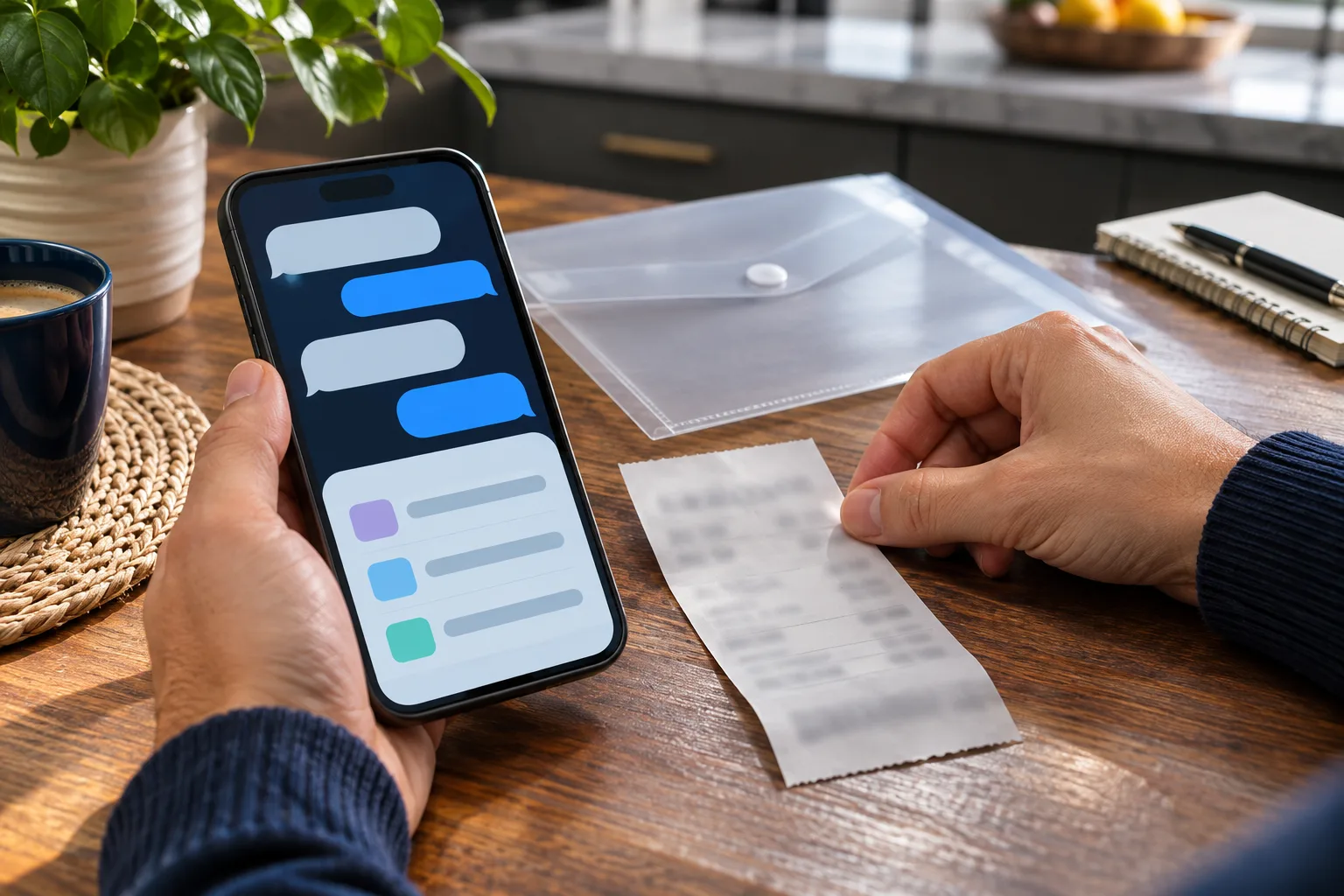
- Preserve the full conversation, destination address, recipient details, and payment record before deleting messages or blocking the account that contacted you.
- Open the relevant service independently and use its established support route, rather than returning through the link attached to the headline.
- Describe exactly what the sender promised, what action you took, and how the resulting transaction differed from that promise.
- Request a case reference and written explanation of available remedies, retaining each response alongside the original evidence and transaction record.
- Check your account activity and security controls if you entered credentials, and report any unfamiliar activity through the service’s established channel.
Keep complete originals for the complaint, but redact private details from anything you share publicly. Account identifiers, payment references, and personal information can help support staff investigate without belonging in a group chat.
If the payment status remains unclear, check the transaction history before attempting it again. A connection interruption does not establish whether money moved. Use documenting a disputed e-wallet transfer to organise the relevant records.
A payment-centre receipt can help establish where and how a payment was made. It does not validate the explanation that persuaded you to make it. Preserve both the receipt and the message connecting the requested payment to the headline.
Do not send a further payment merely because the same contact promises to release or recover the first one. Ask the actual service to explain any proposed charge through its established channel. Record the answer before deciding what to do.
Questions about the wording and its consequences
Does “BIR told” mean the agency sent the tax bill?
No. That wording describes a request or instruction directed at the agency. Identify the speaker and check the article for separate evidence that the requested action occurred. A headline about sending a bill does not establish delivery or collection.
How can I tell whether the deadline still matters?
Check the publication year, the passage explaining the deadline, and any subsequent reporting. A forwarded headline can retain its original wording long after publication. Establish the timeline before treating the deadline as a reason to act.
Does an authentic article validate a payment request beside it?
No. Authentic reporting and a legitimate payment instruction require different evidence. Check the recipient, the stated purpose, and confirmation through the relevant service. The article’s existence does not establish a connection to your account or money.
What is useful to share after checking the headline?
Share the original article link and a precise description of the action it reports. Preserve attribution and distinguish a requested action from a completed one. If a follow-up establishes an outcome, include that source rather than rewriting the earlier headline.