Manila gov’t implements truck ban along Roxas Blvd for Asean Summit 2026: Which Claims Should Change Your Plans?
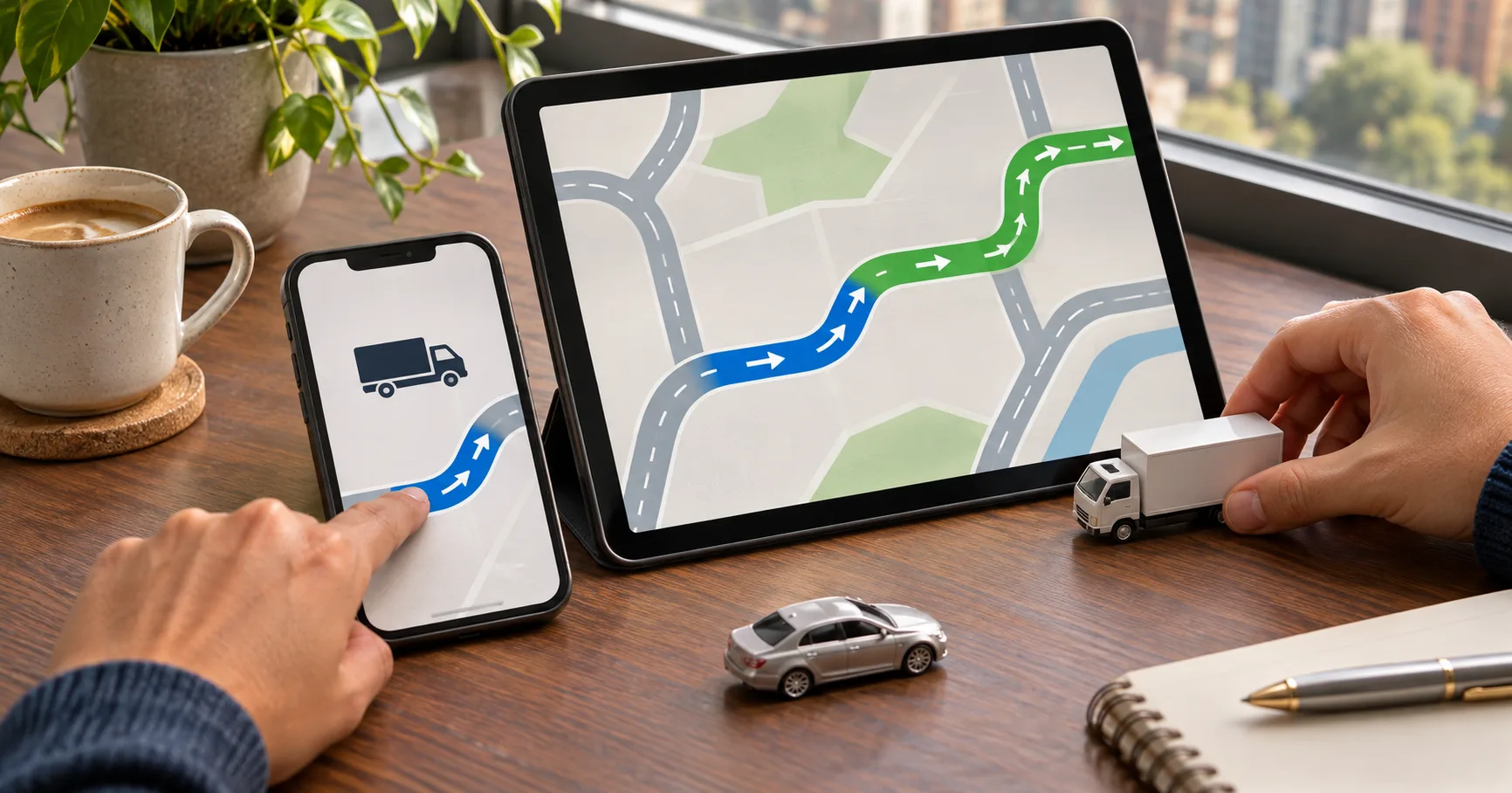
You are arranging a trip near Roxas Boulevard when a forwarded truck-ban headline makes you wonder whether your route is still usable.
The message might arrive in a family chat, beside a delivery update, or beneath a video showing traffic barriers. Each setting makes the claim feel immediately relevant. None establishes which vehicles a restriction covers, where it applies, or whether the accompanying instructions deserve your trust.
Treat “Manila gov’t implements truck ban along Roxas Blvd for Asean Summit 2026” as a claim to investigate before changing plans. The useful question is narrower than whether the headline sounds plausible. You need to establish whether an identifiable notice applies to your vehicle, journey and intended travel window.
Decide what the headline actually asks you to risk
A traffic headline can influence several decisions at once. You might cancel a booking, accept a delivery surcharge, leave earlier, or send money to someone promising an exemption. Those decisions require different evidence. A report that supports a route change does not automatically support a payment demand.
Start with the action being requested, because that determines how carefully you need to check. Reading a route advisory carries little commitment. Transferring money, sharing identification or abandoning a prepaid booking can create consequences that are harder to reverse.
For a weekend player, this transport headline offers no basis for trusting an online casino or making a deposit. Keep any entertainment payment decision separate from the traffic claim. A news reference beside a payment button does not establish who receives the money or what conditions apply.
The same distinction matters for ordinary travel expenses. Someone may accurately repeat part of an advisory while attaching an unsupported charge. Evaluate the notice and the demand separately, even when they appear together in one polished message.
Our checking the source behind a shared headline guide explains how to distinguish an original notice from repeated coverage. Here, the practical priority is identifying the exact restriction before allowing a headline to influence your spending.
Six checks that establish whether your journey is covered
Use the complete advisory as your starting point, rather than treating a cropped graphic as a finished instruction. Read its wording against your actual journey. A broad place name can conceal important distinctions between a road segment, a direction of travel and an access point.
- Open the original notice through the issuing office’s independently located website or account, rather than relying exclusively on the link inside a forwarded message.
- Compare the notice’s publication details and stated effective period with your intended journey, checking whether an amendment changes the instructions you first encountered.
- Read the vehicle classification carefully, including any definitions, because a headline about trucks does not establish the treatment of cars, motorcycles or passenger services.
- Identify the precise road segment, travel direction and affected access points, then compare those details with the route your driver actually intends to take.
- Look for explicitly stated exceptions and their application process, without assuming that a delivery purpose, reservation or personal connection creates an automatic exemption.
- Confirm any unresolved detail through contact information found independently on the issuing office’s own channel, and keep the response alongside the notice you checked.
These checks work together because a notice can be authentic yet irrelevant to your journey. Its vehicle category might exclude your transport, or its coverage might stop before your destination. Conversely, a short headline may leave out a condition that matters directly to you.
Be particularly careful with reposts that preserve an official-looking design while removing the surrounding explanation. A familiar seal or colour scheme cannot tell you whether the image is complete. Read the accompanying text and any attached document before drawing a conclusion.
If the source links to a map, compare the map with the written instructions. An arrow or shaded area should clarify the restriction. When the two appear inconsistent, seek clarification instead of selecting whichever version makes your planned trip easier.
Warning signs that turn a route advisory into a payment trap
The strongest warning signs concern what someone wants you to do next. A genuine transport issue can become the backdrop for an unrelated demand. The risk increases when the sender moves from sharing information to collecting money or controlling your account.
- A sender demands immediate payment for a route exemption but cannot point to a matching instruction and payment process in the original advisory.
- A message asks for an e-wallet PIN, password or one-time code to confirm a transport arrangement, despite those credentials controlling access to your money.
- A payment recipient changes during the conversation, while the sender discourages you from checking the new account through the service’s established contact channel.
- A cropped notice conceals its issuing office, effective period or vehicle coverage, yet the accompanying message claims that every traveller must follow its instructions.
- A download link promises special access or priority passage and asks you to install an unfamiliar application before you can view the supporting explanation.
- A surcharge is described as compulsory, but the business will not explain its calculation, contractual basis or connection to your specific booking in writing.
One warning sign does not prove that every part of a message is false. It does justify pausing the requested action. You can continue checking the transport information without sending money or handing over credentials.
A believable explanation is also different from an agreed charge. A driver or delivery business may describe additional distance or waiting. Ask how that affects your existing arrangement, then compare the answer with the terms you accepted when booking.
Pressure makes this distinction harder to maintain. If a sender says access will disappear unless you pay immediately, return to independently located information. Urgency in a chat is not evidence of an official deadline.
Apply the checked notice to the trip you actually have
Imagine you are collecting a parcel near Roxas Boulevard before meeting friends. A forwarded headline mentions trucks, while the seller says collection is impossible. Your next step depends on the collection arrangement, rather than the headline alone.

If the seller needs a truck to move the parcel, vehicle coverage may matter directly. If the parcel is already ready for personal collection, a different question arises. Confirm access to the premises and the agreed collection window before accepting a cancellation explanation.
Keep your questions tied to observable details. This makes the answer more useful than a general assurance that everything is affected.
- Ask whether the difficulty concerns the vehicle transporting your item, access to the collection point, or the business’s own staffing and opening arrangements.
- Request the proposed alternative in writing, including the collection location and any change to the amount already agreed for the service you booked.
- Check whether an alternative meeting point remains practical for your transport, rather than accepting a location that creates another difficult journey or expense.
- Keep enough mobile data available to reopen the notice and booking conversation, especially if you will need to compare instructions while travelling.
A navigation application can help you consider routes, but its suggested journey does not establish an exemption. Use the advisory to judge whether the route is permitted. Use navigation separately to assess how the journey fits your plans.
For a longer weekend outing, preserve flexibility where it costs little. An agreed collection window may be more useful than repeatedly checking a chat for reassurance. Avoid paying extra merely to make uncertainty feel resolved.
Build a dispute around the promise and the payment
If a disagreement develops, identify what you want corrected. A misleading traffic post, an unexpected surcharge and a missing payment are different problems. A focused account helps the recipient understand both the evidence and the remedy you are requesting.

For a booking dispute, retain the original agreement alongside the later explanation. Quote the particular promise that changed, such as the collection point or agreed price. Then state whether you want performance of that agreement, removal of a charge, or a refund under the applicable terms.
- Save the full conversation, original booking terms and relevant advisory, keeping enough surrounding detail to show who made each statement and when it appeared.
- Record the payment reference and recipient details from your own transaction history, while masking credentials and unrelated personal information in anything you share.
- Send a concise complaint through the business’s established channel, identifying the disputed action, supporting evidence and the specific resolution you are requesting.
- If the payment itself is disputed, use your payment provider’s official support process and retain the case reference together with subsequent written responses.
Our keeping evidence for an e-wallet payment dispute guide can help you organise transaction records without exposing account credentials. Keep the evidence readable and relevant. A large folder of unrelated screenshots can obscure the one message that establishes the disputed promise.
Do not send another payment solely because someone says it will release a refund. Check that instruction through the provider or business independently. If a transfer appears pending, examine your transaction history and obtain clarification before creating another transfer.
Questions about the headline and the choices around it
Does a truck-ban headline mean private cars cannot use Roxas Boulevard?
The headline alone does not establish that conclusion. Read the notice’s vehicle definitions, road coverage and any separate access restrictions. Your journey should be assessed against those details, rather than against the broad impression created by the word “ban”.
Can a delivery business charge extra because of the restriction?
Ask the business to explain the proposed charge and identify the booking terms that support it. A transport difficulty does not, by itself, establish your agreement to a new price. Compare the written explanation with the arrangement you accepted before authorising additional payment.
Is an official-looking screenshot enough to change my plans?
Use it as a lead to the complete notice. Check its origin, effective period, vehicle coverage and amendments through an independently located channel. A screenshot may omit context even when the portion it displays accurately reproduces the original wording.
What if someone offers a paid exemption through a private message?
Look for the exception and its application process in the original advisory. Contact the issuing office through independently located details before acting. Do not treat a personal payment account, confident wording or an image of an identification card as proof of authority.