Pagasa: 3 weather systems to bring cloudy skies, rain on Wednesday — How to check the forecast for your route
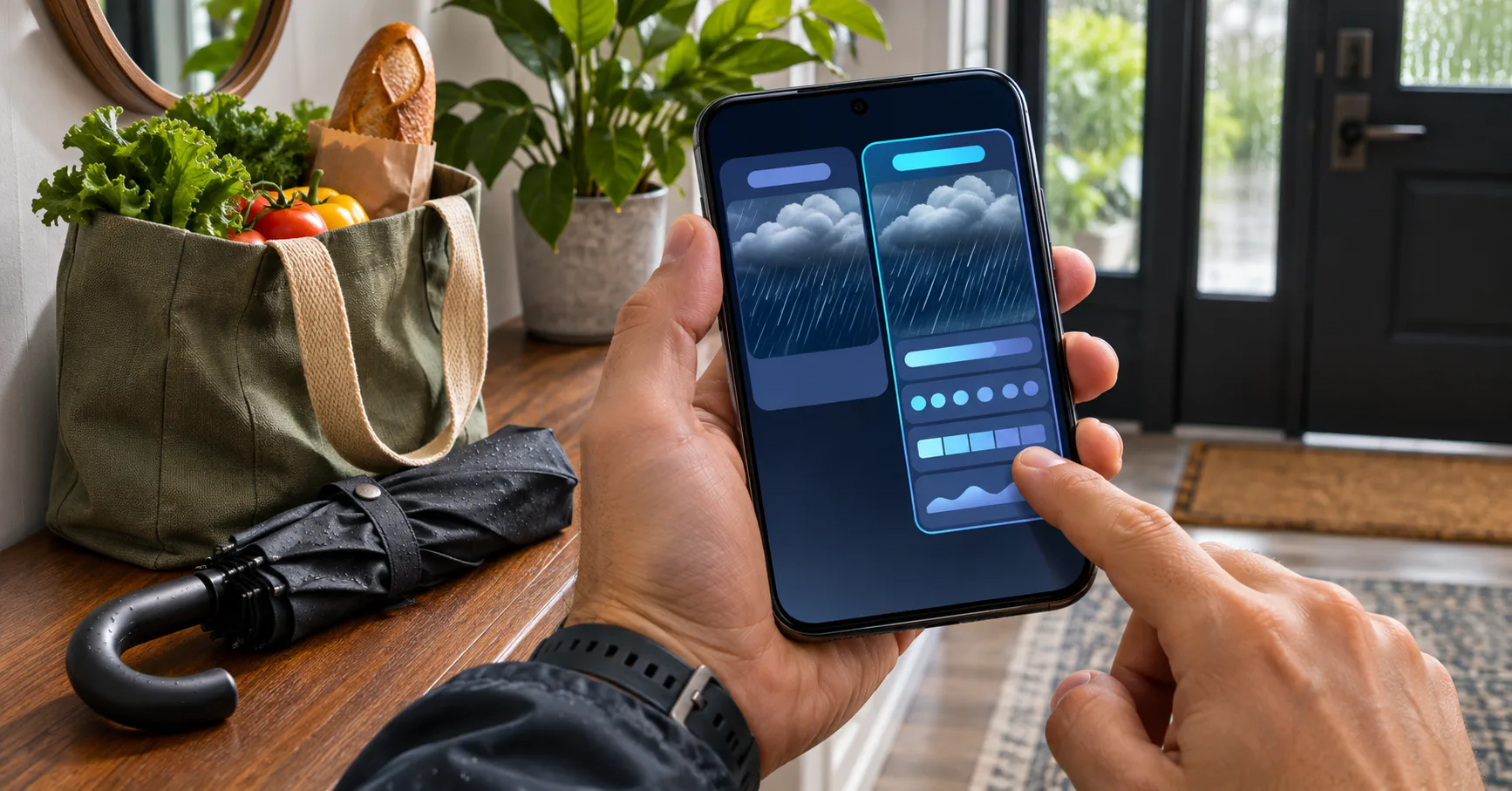
You are checking your phone before leaving home, and a rain headline appears just as you decide whether to finish an errand outside. Your mobile data needs to last through the journey. The useful question is whether the forecast covers your destination and the hours you expect to be there.
“Pagasa: 3 weather systems to bring cloudy skies, rain on Wednesday” gives you a starting point for checking a forecast. It does not establish the date, affected locations or conditions along your route by itself. Read it as a headline to investigate before rearranging your day.
This walkthrough follows that check from the first search result to the decision you make before stepping outside. It also explains what to retain when a misleading weather claim becomes part of a payment disagreement. The aim is a usable answer on one phone, without repeatedly opening the same pages.
Establish the forecast before committing money or travel
A headline can remain searchable after the period it describes has passed. A screenshot can circulate without its original publication date. That matters when you are deciding whether to pay for delivery, travel to a payment centre or postpone a collection.
The word Wednesday identifies a weekday, rather than a complete forecast period. Match it to the date inside the report and the issuance details of the underlying bulletin. Otherwise, you may organise an errand around a forecast for a different Wednesday.
The reference to three weather systems also needs context. Their names, locations and described effects belong in the actual report. Counting systems cannot tell you how much rain will reach your street, whether conditions will persist or when travel might become difficult.
A weather headline is not evidence that an online casino is trustworthy, and it should never justify making a deposit. Keep that decision separate from checking the weather. Here, the practical concern is whether a weather claim supports the action a page encourages you to take.
Before making a weather-dependent payment, distinguish the forecast from the seller’s conditions. A rain outlook does not establish cancellation rights or promise a refund. Read the relevant terms while you still have time to choose.
Follow the report from the headline to your destination
Use one browser tab for the article and another for the underlying PAGASA information. Keeping them separate makes comparison easier on a small screen. A cropped social post can help you locate the article, but the crop should not become your final reference.
- Open the complete article and locate its publication date, update time and forecast period before interpreting what the reference to Wednesday means.
- Find the original PAGASA bulletin or forecast identified by the report, then compare its issuance details with the article’s account of conditions.
- Read the names of the three systems in the bulletin, and connect each description to the areas it explicitly says are affected.
- Locate your destination and departure area within the forecast coverage, checking unfamiliar place names instead of assuming every nearby location shares the outlook.
- Compare the forecast period with your planned travel window, and check whether a separate warning or advisory applies to that place and time.
- Save the source address and issuance details, then revisit the official information before departure if your plans depend on conditions remaining suitable.
These checks answer different questions. Publication details establish when the article appeared, while issuance details identify the forecast it describes. Neither alone proves that the information still applies when you leave. The forecast’s stated period is the connection between the report and your decision.
Geographic wording needs the same care. A statement covering a broad region does not give a street-level timetable for rainfall. If the report uses a regional description, preserve that level of precision when discussing it with someone else.
Your guide to reading weather bulletin timestamps can help distinguish publication time from forecast validity. Keep the original wording visible while comparing the two. A summary becomes less useful when it quietly removes a condition or expands the affected area.
Recognise when a weather page asks for too much trust
A professional layout can make a weak claim feel settled. Instead of judging the design, examine whether the page lets you trace its statements. A useful weather report makes its timing, geographical scope and source understandable without requiring you to accept an unrelated sales message.
- A screenshot shows a dramatic headline but removes the publication date, source address and surrounding explanation needed to identify its forecast period.
- A page repeats the phrase about three systems without naming them or directing readers to the bulletin supporting its account of affected areas.
- A broad forecast becomes a precise promise about your barangay, despite the linked source describing conditions only at a wider geographical level.
- A weather notice asks for an e-wallet PIN, password or verification code before allowing you to read information presented as a public advisory.
- A seller treats the headline as automatic proof that extra payment is necessary, without identifying the order condition authorising the requested charge.
- A repost adds urgent instructions while hiding the original source, leaving you unable to compare those instructions with the actual weather information.
One incomplete repost does not establish deliberate deception. It does establish a reason to stop relying on that version. Find the original before forwarding it or acting on a claim that could cost money.
Be particularly careful when a page moves from weather information to account access. Reading a forecast and authorising a payment are different actions. A request to enter financial credentials deserves scrutiny regardless of how familiar the weather headline looks.
Use the checklist for checking suspicious payment requests when the concern becomes a demand for money. The weather source can help establish what was forecast. It cannot establish that a particular recipient is entitled to receive a payment.
Turn the checked forecast into a manageable phone routine
Imagine you need to visit a payment centre after collecting groceries, with only a short break available. Checking a national headline repeatedly will not resolve the practical choice. You need the relevant forecast period, your route and confirmation that the destination can serve you.
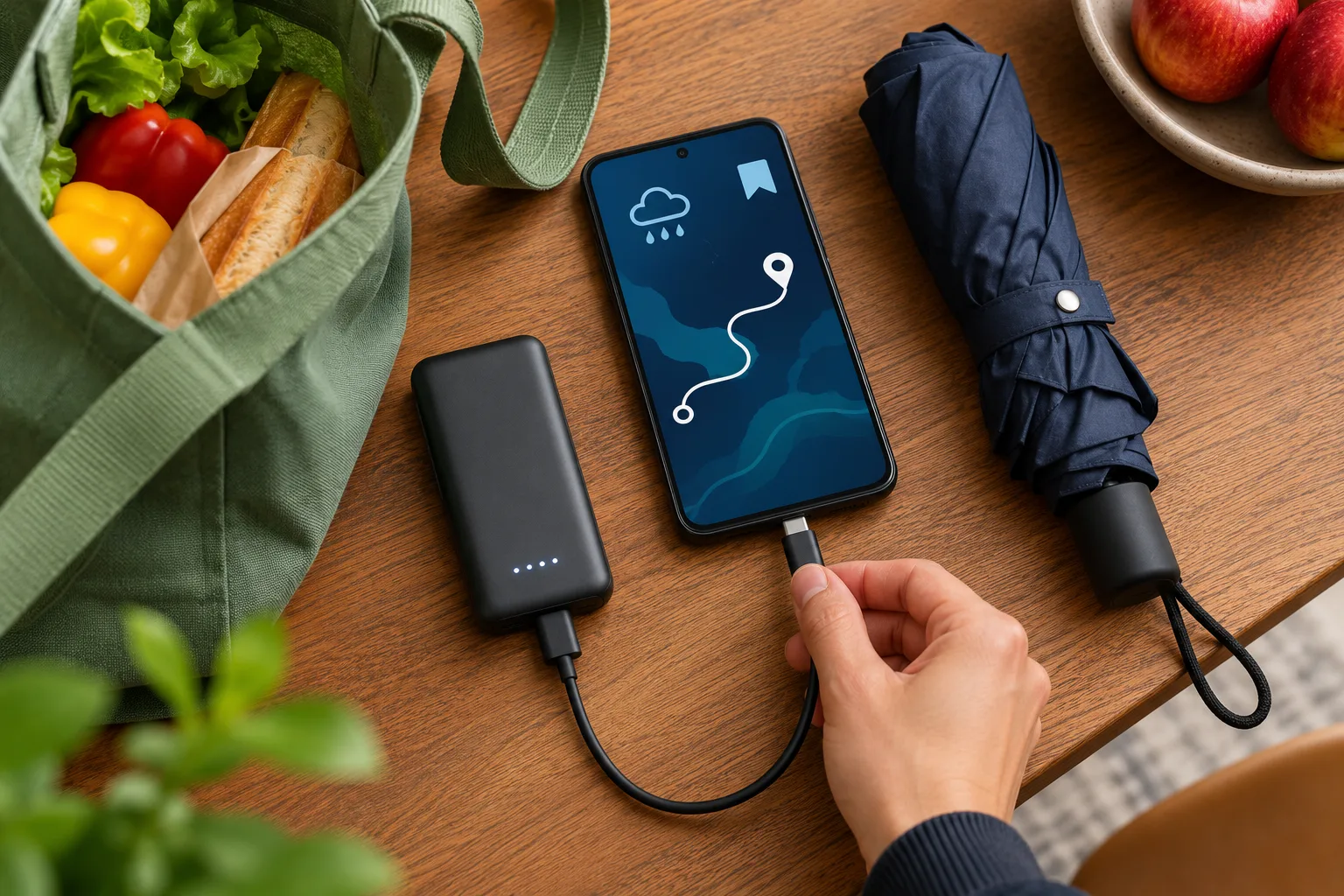
Those pieces of information come from different places. Check weather information through its original source and opening arrangements through the business’s own contact channel. If either changes your plan, make that decision before beginning a payment or leaving for the errand.
- Keep the relevant forecast page available on your phone, with its issuance details visible, so a saved view remains distinguishable from a fresh check.
- Confirm the destination’s opening arrangements through its own contact channel before paying for transport or arranging a collection that depends on staff availability.
- Download essential route information while your connection is usable, keeping enough battery and mobile data available for messages and further checks during travel.
- If an e-wallet screen stalls, inspect the transaction history before submitting another payment, and retain the reference attached to any recorded attempt.
- Tell anyone expecting you which part of the plan may change, using the forecast’s actual wording rather than promising a specific rainfall time.
- Recheck relevant official information before departure, and reconsider the journey if the applicable advice or conditions make your original plan unsuitable.
A saved page is useful for reference, but it is not a live update. Treat it as a record of what you read at a particular time. If the decision changes, return to the source instead of relying on an old image.
Likewise, a stalled payment screen does not reveal the cause of the interruption. Rain in a headline cannot prove that weather affected your connection or transaction. Base the next step on the payment record and the provider’s instructions, rather than an assumed explanation.
Separate a weather correction from a payment complaint
If a repost misstates the forecast, the immediate goal is correction. Preserve the page address, the misleading wording and the source passage that conflicts with it. Send a concise correction request through the publisher’s listed channel, identifying the specific mismatch.
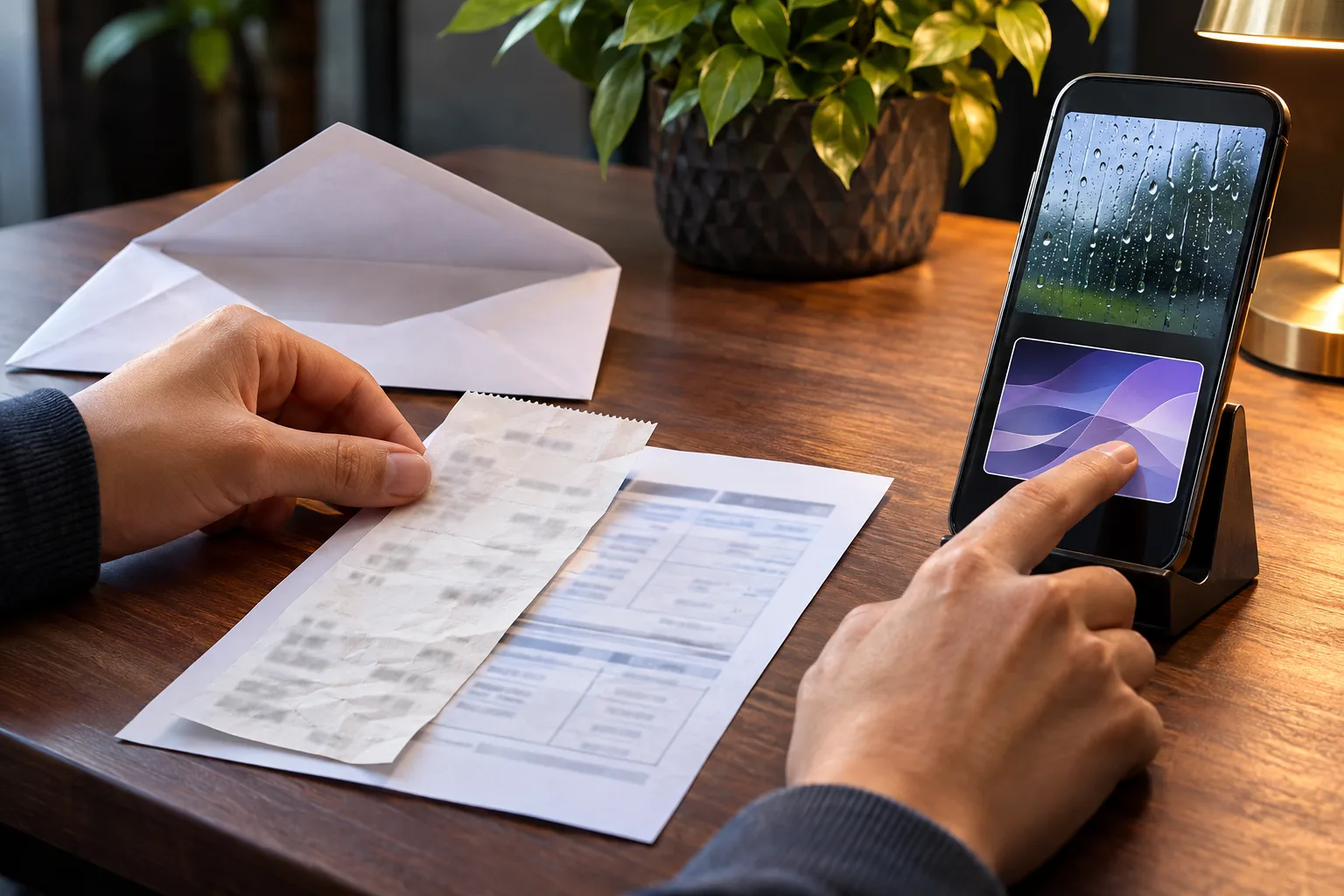
A payment complaint needs a different record. Keep the order confirmation, payment reference, applicable cancellation terms and the message that connected the charge or refusal to weather. This lets the recipient assess the transaction instead of debating the headline in isolation.
For example, suppose a collection arrangement changes after you pay. The relevant questions include what service was agreed, what changed and which terms govern that change. The forecast may explain the circumstances, but it does not answer every contractual question.
Ask for a concrete response: confirmation of payment status, an explanation of a charge or a decision under the stated refund terms. Use the merchant’s or payment provider’s published support route. Remove unrelated personal details from attachments and keep verification codes out of messages.
The guide to organising payment complaint records can help you present that evidence clearly. Keep copies of replies alongside the original transaction record. If the issue remains unresolved, use the relevant published escalation process and check its evidence requirements before submitting.
Questions that come up before you leave
Does Wednesday in the headline mean the next Wednesday?
Check the full publication date and the forecast period inside the original report. Search results and shared images can remain visible after that period ends. Match the weekday to a complete date before using the report to arrange travel or a paid service.
Do three weather systems mean heavier rain everywhere?
The number alone does not establish rainfall at your location. Read how the bulletin describes each system’s affected areas and expected conditions. Use any applicable local warning or advisory to inform your decision, rather than treating the headline’s count as a measure of severity.
Can a saved forecast screenshot replace another check?
A screenshot preserves what was displayed when it was captured. It cannot show later revisions. Keep the issuance details and source address with the image, then reopen the official information when a journey or payment depends on the forecast still applying.
Does a rain report explain why my e-wallet payment is pending?
A weather report does not establish the status or cause of an individual payment problem. Check the transaction history and follow the provider’s published instructions. If support is needed, retain the transaction reference and describe what appeared on the screen without assuming weather caused it.