PNP taps LGUs vs POGO hubs: Resolving Unclear Claims and Interrupted Mobile Checks
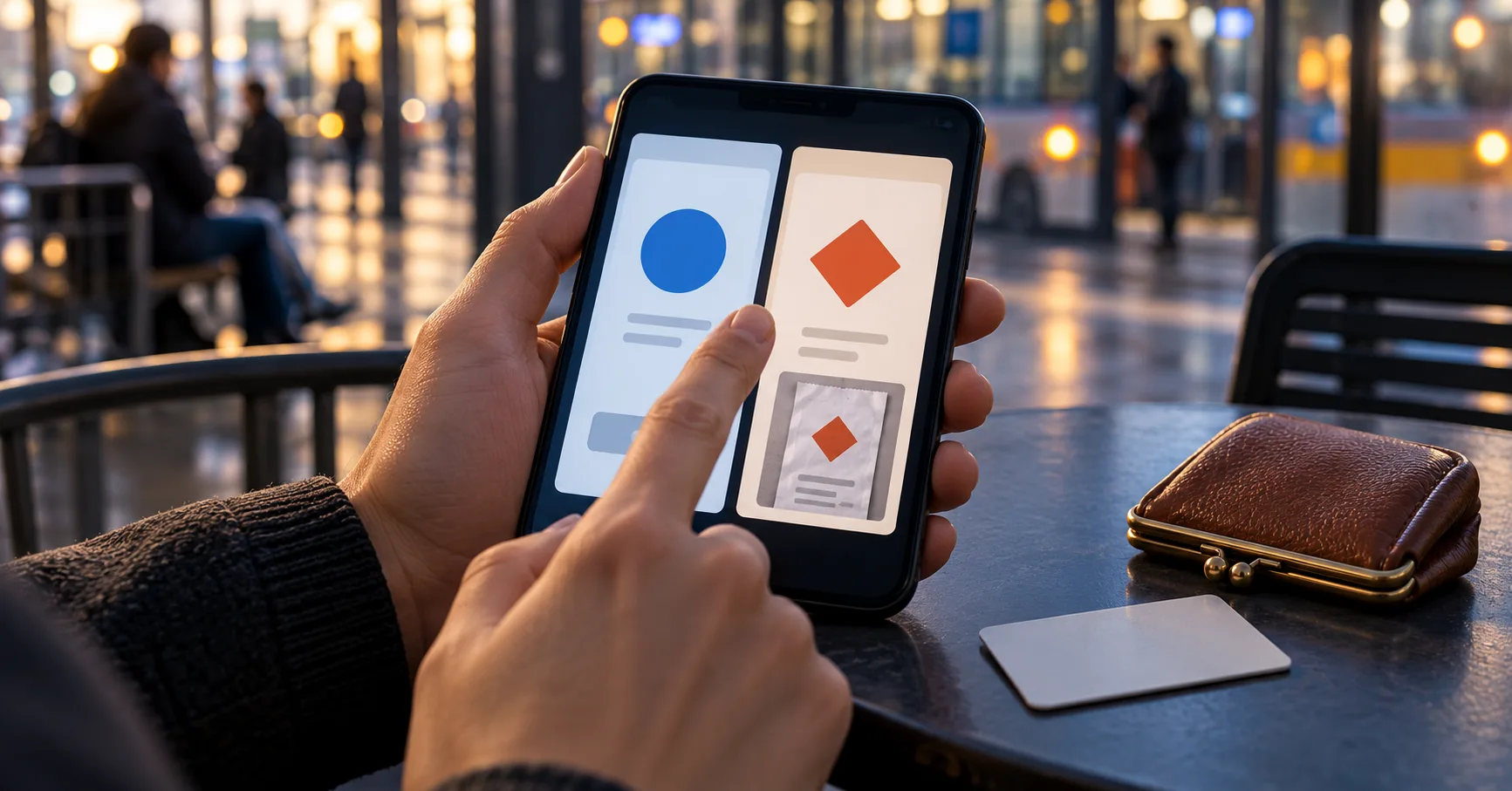
You have a few minutes before your ride arrives, but a casino link opens slowly and the payment instructions do not match your saved screenshot. Your mobile data connection drops before you can compare them. Sending PHP 500 now would turn an unanswered question into a payment problem.
A search for “PNP taps LGUs vs POGO hubs” can raise questions about an online casino without answering them. The phrase alone establishes no connection between a particular website and the subject of that search. Treat any claimed connection as something to investigate, rather than a reason to deposit or accuse an operator.
For a mobile-only player in the Philippines, the useful response is a repeatable checking routine. It should work across short breaks, preserve evidence when pages fail, and leave payment until material questions are resolved.
An unfinished check is a reason to keep your pesos
Before depositing, separate the claim you encountered from the service asking for your money. A headline screenshot, forwarded message, and casino cashier page are different pieces of information. Putting them beside each other does not prove they concern the same company.
Suppose a group chat pairs the search phrase with a payment link requesting PHP 500 through GCash. That pairing does not establish the recipient’s identity or explain the payment’s purpose. Open the service through an independently checked address and compare its own payment instructions.
A failed check also differs from a failed service. A terms page that stalls on mobile data might load later, while contradictory recipient details require an explanation. Neither problem becomes clearer because you send a small test payment.
Consider a hypothetical PHP 1,000 leisure budget: sending PHP 100 to investigate leaves PHP 900 available and exposes PHP 100 unnecessarily. Successful receipt of that payment would still leave withdrawal conditions and account restrictions unresolved. Read the casino verification checklist before treating payment acceptance as evidence of trust.
Your stopping rule can be simple and practical. If you cannot identify the company, understand the relevant conditions, or reconcile payment instructions, leave the deposit untouched. A short break does not create a deadline to decide.
Complete these six checks across separate phone visits
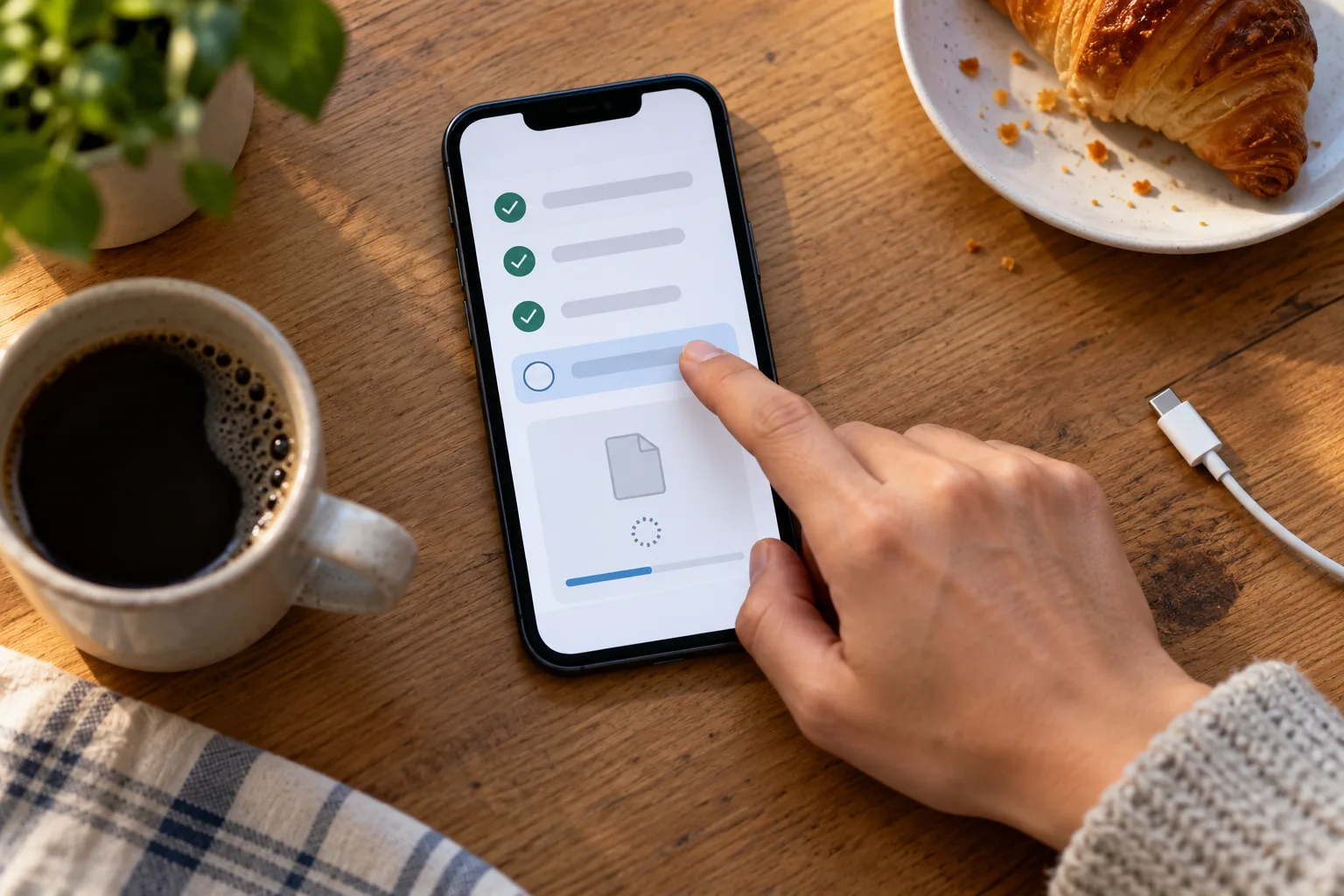
You do not need every page open simultaneously. Use a private note to record the exact website address, the question being checked, and the result. If Android or iPhone closes a browser tab, that note becomes your restart point.
- Inspect the complete website address in Chrome or Safari, and stop if a message redirects you to a different domain without an independently checked explanation.
- Find the registered company name and contact details, then compare them across the footer, terms, and support page before trusting a copied badge or screenshot.
- Read account eligibility and verification requirements, including any requested ID, and confirm the upload destination before sending personal documents through your phone.
- Compare the cashier’s recipient instructions with the GCash, Maya, or payment-centre confirmation screen; leave the transaction unconfirmed if the details disagree.
- Open withdrawal and promotion conditions separately, saving relevant passages about deductions, restrictions, and required activity before accepting an offer or funding an account.
- Ask support one specific unresolved question, retain the written answer, and check that it agrees with the terms before returning to the deposit screen.
When a page will not load, record which check failed instead of marking the whole process complete. For example, “withdrawal conditions unread” is more useful than “site checked.” Resume that exact check when your connection is usable.
Make the domain comparison from the address bar. Similar colours, familiar icons, and a padlock cannot resolve a mismatch between a saved address and a newly shared link. Expand the browser address rather than relying on the page title.
Payment-centre instructions deserve the same attention as e-wallet screens. A printed slip or reference can help document a payment, but possession of a reference does not explain an unfamiliar recipient. Ask for clarification before handing over cash.
Promotion arithmetic is another point where a quick glance can fail. In a hypothetical offer, a PHP 200 bonus requiring 20x wagering on the bonus means PHP 4,000 in qualifying wagers. That calculation describes activity, not money guaranteed to return.
If the hypothetical 20x requirement instead covers a PHP 500 deposit plus the PHP 200 bonus, the calculation becomes PHP 14,000. The difference comes from the calculation base. Check the actual promotion page for that base, qualifying games, and expiry conditions.
A clear screenshot should preserve the surrounding wording, not merely “20x.” Use the bonus wagering calculation guide when the arithmetic is unclear, and leave the offer unaccepted until the explanation matches the terms.
Recognise pressure that a better connection cannot solve
Switching from a weak signal to a stronger one may restore a page. It cannot reconcile contradictory company details or make an unexplained payment request reasonable. Recognising that difference prevents endless retries from becoming accidental consent.
- A message uses the PNP, LGUs, or POGO search phrase as proof of a casino’s standing without linking evidence identifying that exact service.
- A cashier instruction names one recipient, while a private message directs your PHP 500 deposit elsewhere and offers no explanation through the established support channel.
- A support reply asks for your GCash or Maya PIN, an OTP, or remote access to your phone to resolve a payment issue.
- A withdrawal conversation introduces a separate PHP 300 transfer to release PHP 1,200, without an explanation you can reconcile with the published terms.
- A representative pressures you to deposit before a countdown ends while the terms page remains inaccessible or your question about account requirements remains unanswered.
The PHP 300 and PHP 1,200 figures above illustrate a warning pattern, not an actual charge. The concern is the demand for another transfer before an existing balance can be released. Preserve the request and investigate through independently checked channels.
Likewise, a screenshot carrying the letters PNP does not authenticate itself. Look for the original publication, its context, and the exact entity it discusses. If the original cannot be located, keep the claim unverified and avoid forwarding it as established fact.
Protect authentication details even when the conversation sounds helpful. Enter an OTP only into the verified service flow for an action you initiated and understand. Do not dictate it in chat or paste it into a forwarded form.
Warning signs justify stopping and checking; they do not require a public accusation. Describe observable events precisely: a changed recipient, an inaccessible condition, or a request for another transfer. Those details are more useful than an unsupported label.
Give a stalled payment a traceable route to resolution
If money has already moved, narrow the problem before contacting anyone. An e-wallet debit, a casino credit, and a withdrawal request describe different stages. A screenshot from one stage cannot establish that another stage completed.
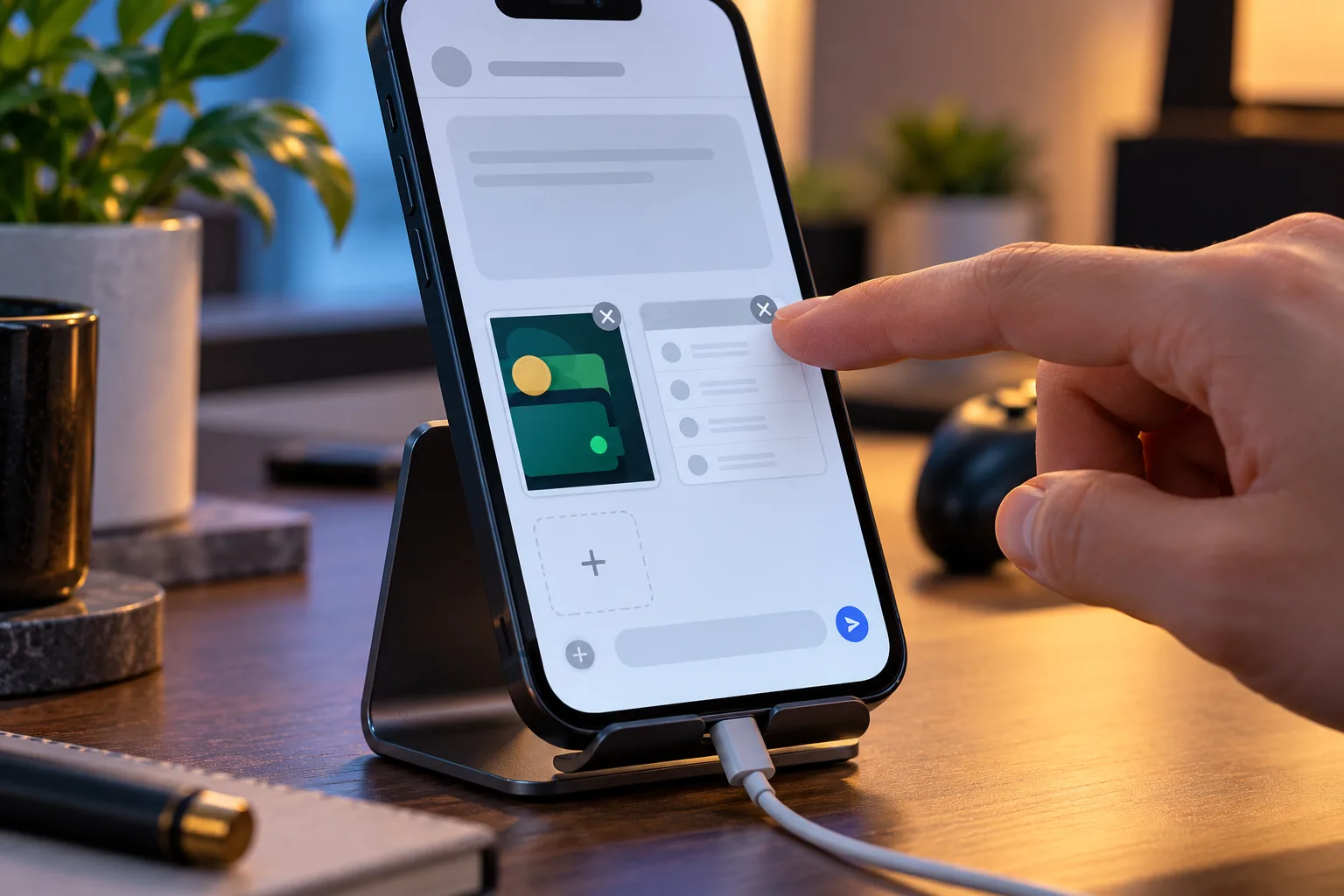
Consider a hypothetical PHP 500 payment at 12:10, followed by an unchanged balance at 12:12. Those two minutes do not establish the cause. Check the payment’s recorded status and the service’s stated handling window rather than assigning your own deadline.
Repeated payment attempts can make the record harder to interpret. Two PHP 500 debits create PHP 1,000 of exposure, even if you intended one deposit. Use the payment dispute record guide to keep each reference attached to its own amount and status.
- Capture the payment reference, PHP amount, recipient, timestamp, and displayed status, keeping the original record private and redacting sensitive details from shared copies.
- Compare the GCash or Maya transaction history with the casino cashier history, noting exactly which side shows completion, rejection, or a pending state.
- Send the established support channel one concise account of the mismatch, attaching the relevant reference and requesting a case number or written acknowledgement.
- Use the payment provider’s own help channel when the debit, recipient, or transfer status needs investigation, and retain its response alongside the operator’s reply.
- Follow the stated review process, record each response, and avoid further transfers intended to unlock money while the original transaction remains unresolved.
A useful message might read: “My PHP 500 payment shows completed in my wallet, but the cashier history has no matching credit. Please investigate reference ABC123 and confirm the next step.” This fictional reference demonstrates structure without exposing real account details.
Keep payment evidence separate from identity documents. A transaction screenshot may establish the amount and reference without exposing your full ID image or unrelated wallet activity. If verification is requested, check the purpose and upload destination before submitting anything.
If you suspect account access has been compromised, move to the affected service’s independently opened security and help controls. Explain any authentication details already shared. Do not continue troubleshooting through the same suspicious link or chat contact.
Unresolved replies need a documented escalation, not an invented promise of recovery. Ask for the service’s complaint procedure and check the appropriate official reporting channel for the issue. Preserve original messages and transaction records so another reviewer can follow the sequence.
Questions that arise when you resume the check
Does this search phrase prove that my casino is affected?
No connection follows from the phrase alone. Locate the original report or statement and compare the exact company, website, and activity described with the service you use. Similar names or a forwarded screenshot are insufficient grounds to treat two entities as identical.
What if my break ends before the terms page loads?
Save the website address and note the unfinished check, then return when you have time and a usable connection. Keep the deposit unconfirmed. A hypothetical PHP 500 remains available while you investigate; sending it does not make unread conditions easier to assess.
Should I resend PHP 500 if the first attempt appears stuck?
Check the original transaction status and reference before considering another attempt. A frozen browser does not establish that payment failed. If the wallet shows a debit, preserve that record and ask the relevant support channel to investigate the mismatch.
Can a support reply replace inaccessible withdrawal conditions?
A written reply can clarify a specific issue, but it may omit restrictions elsewhere in the terms. Ask for the relevant published passage and compare both explanations. Leave the transaction paused if the answer depends on conditions you still cannot read.