Roads closed in Manila for Undas: Protect Your Journey and Travel Money
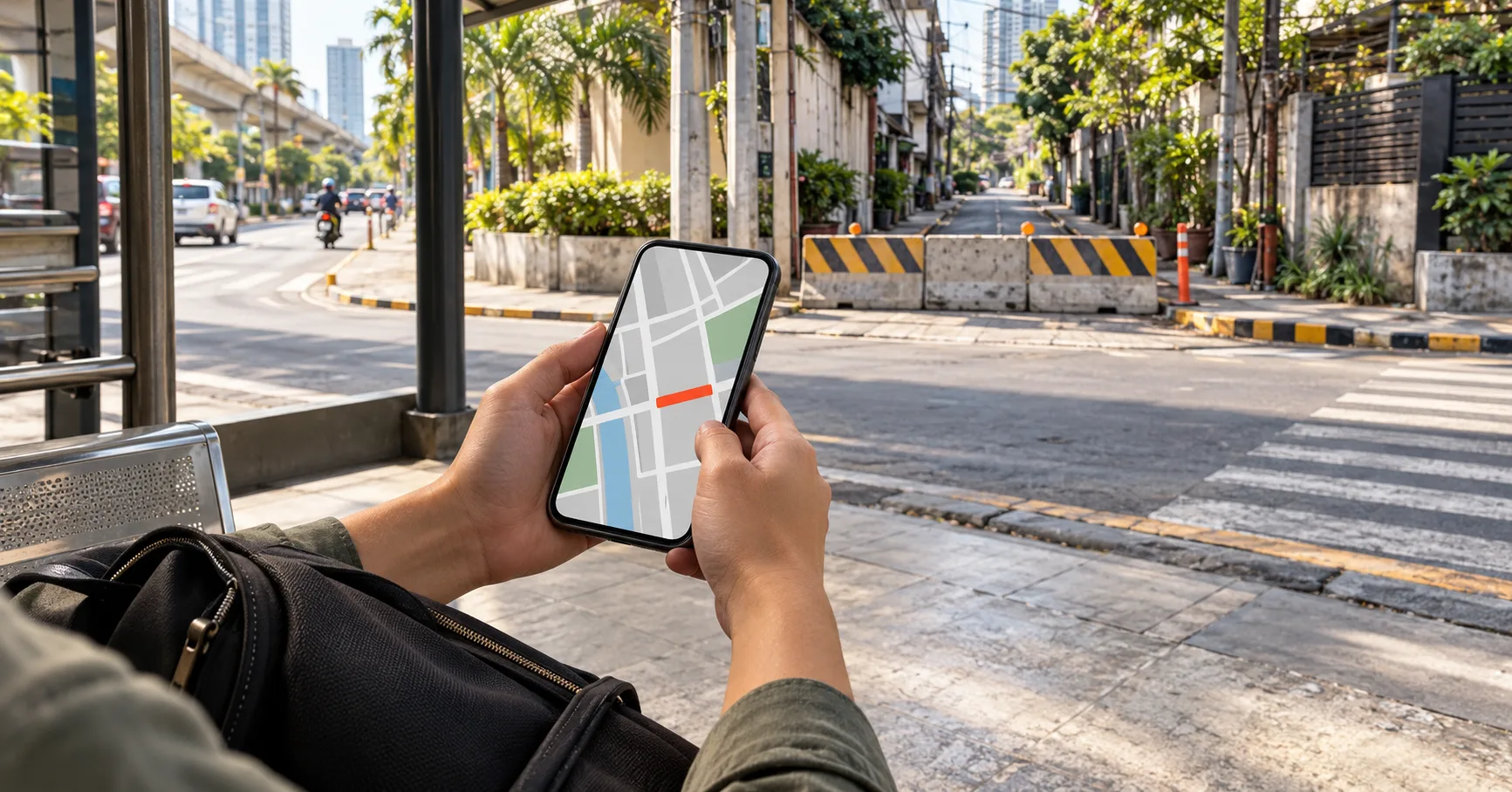
You are waiting for a ride in Manila, using mobile data, when a relative forwards a cropped road closure map. Your destination looks close to the shaded area. Before you change your pickup point or send money for another ride, you need to establish what that image actually covers.
A search for Roads closed in Manila for Undas should lead to usable travel information, not pressure to pay someone. A convincing graphic cannot establish that a particular street is restricted during your journey. Equally, a genuine restriction does not validate an unrelated booking link beside it.
This walkthrough separates the route decision from the spending decision. It focuses on checking the notice, preserving useful evidence on your phone, and dealing with questionable payment requests. Read the applicable advisory for actual restrictions before travelling.
Keep your fare separate from the forwarded map
The first risk is spending before you understand the journey. A message might combine a closure image, an alternative pickup location and a request for an advance payment. Those are 3 separate claims, even when they arrive in 1 chat bubble.
Consider a hypothetical Manila trip with PHP 500 available for transport. Sending PHP 200 to reserve an unverified replacement ride leaves PHP 300 for the journey. If the reservation proves unusable, the smaller balance becomes your immediate problem, regardless of whether the closure image was authentic.
A useful notice answers a travel question. It identifies affected road sections, applicable periods and access arrangements clearly enough for you to compare them with your plans. A payment request needs separate evidence about the service, recipient and conditions.
The same separation applies if you play online casino games during a passenger break: a traffic notice offers no evidence that a casino deserves your deposit. Keep the road advisory relevant to travel, and assess any unrelated financial offer independently.
On a single phone, switching between a map, chat and Maya can make separate requests feel connected. Pause at the handoff into payment. An authentic travel notice does not establish the identity of whoever asks for your money.
Build a usable route record on one phone
Work through these 6 steps while stationary. The aim is a compact record you can reopen when mobile data becomes unreliable. Each step answers a different question about whether the notice applies to your actual movement through Manila.
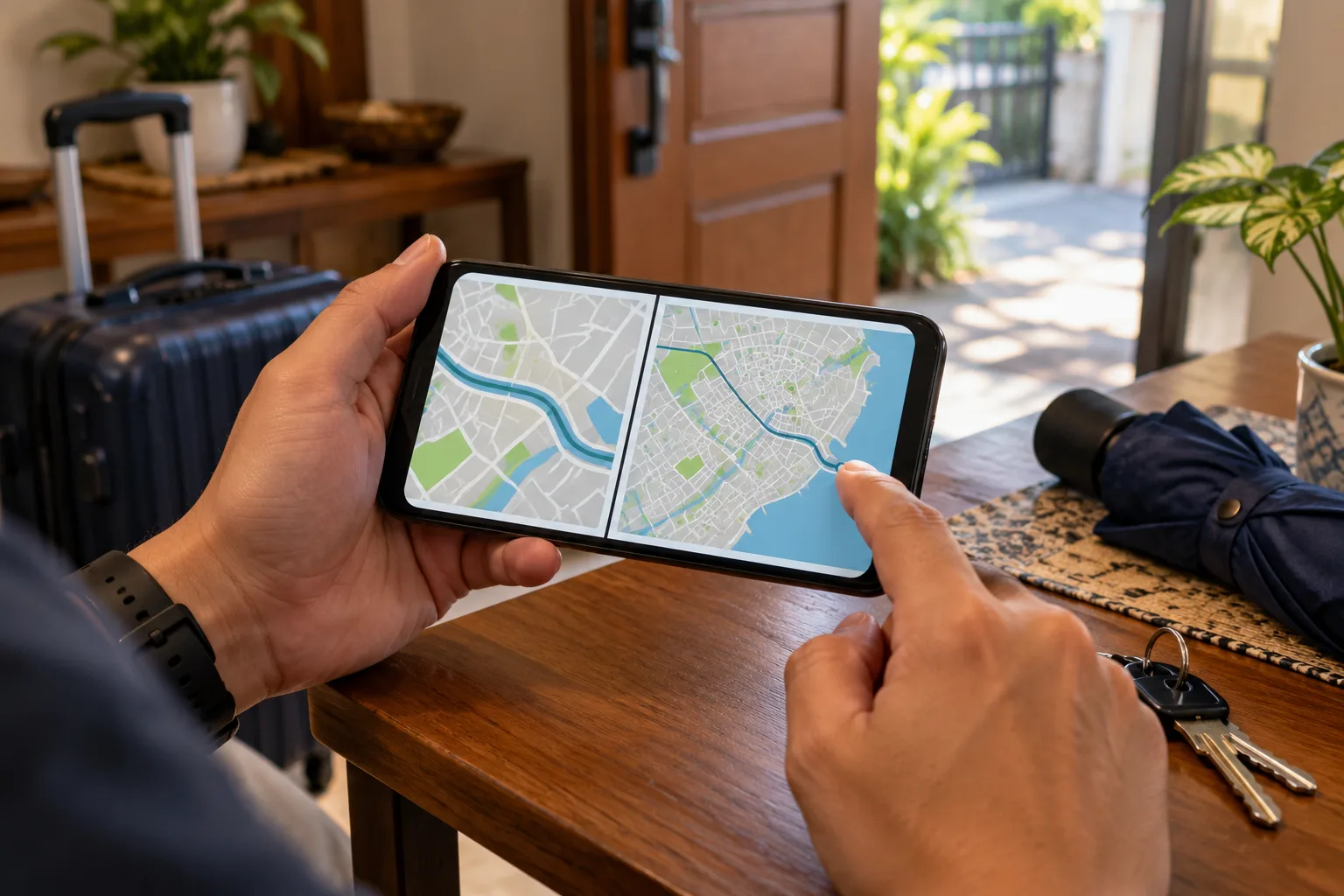
- Open the original advisory behind the forwarded image, and retain its page address so you can return without searching the entire conversation.
- Read the publication year and effective period together, checking whether the restriction covers your intended departure and return journeys.
- Match the named road section and its endpoints against your map, rather than treating a shaded district as entirely inaccessible.
- Separate restrictions for private vehicles, public transport and pedestrians, using only the categories that the original notice actually specifies.
- Look for an amendment or replacement on the issuing office’s own channel, comparing its scope with the version saved on your phone.
- Save the complete advisory and your intended pickup point together, keeping the issuing account visible rather than retaining only the map crop.
A hypothetical notice covering 6 a.m. to 6 p.m. would not automatically resolve a planned 7 p.m. pickup. Nor would an image from a different year establish the arrangements for your visit. Treat the year, hours and affected section as one combined test.
Location labels need similar care. If the advisory says Manila, confirm the named streets and issuing authority before extending its meaning to another destination. A broad caption can make a narrowly defined restriction sound much larger.
Suppose a hypothetical restriction covers the stretch between 2 junctions. Your destination could sit beyond that stretch, while your usual pickup point falls inside it. Checking the endpoints helps you ask about a practical meeting place instead of assuming the whole journey is impossible.
Keep a full version alongside any enlarged crop. The guide to reading road closure maps can help you distinguish the marked section from surrounding streets. Your saved image should still retain the conditions that explain the markings.
Requests that turn a detour into a purchase
The most consequential warning signs concern what a message asks you to do. A repost can contain useful information without being a safe place to book transport. Evaluate the requested action separately from the graphic’s appearance.
- A sender requests an advance transfer for guaranteed road access but offers no independently checkable explanation of the service or restriction.
- A supposed advisory sends you to a sign-in page that asks for your e-wallet password, PIN or one-time verification code.
- A replacement ride offer changes the recipient’s identity after you agree on the service, without a clear explanation you can verify.
- A message insists you install an unfamiliar application before viewing a public road map, adding an unnecessary step to checking travel information.
- A screenshot removes the issuing account, effective period or road endpoints while its caption claims that every nearby route is unavailable.
- A sender uses an expiring payment countdown to discourage checking the original notice, recipient details or cancellation conditions before transferring money.
These signs justify stopping the requested action; they do not prove that every part of the message is false. A real closure image can accompany an unrelated or misleading offer. Confirming the image alone leaves the payment request unchecked.
For a hypothetical PHP 150 reservation, compare the service description with the recipient shown before authorising payment. If the message names 1 person while the payment screen identifies another, resolve that difference independently. A small amount does not make the identity mismatch irrelevant.
A Maya logo copied into a graphic also proves nothing about the sender’s relationship with Maya. Open your usual payment application directly when reviewing your account. Do not follow a forwarded sign-in link to investigate a travel claim.
Keep the return journey inside your budget
A route that works outbound may create a different problem on the way home. Your phone battery, remaining balance and pickup arrangements matter alongside the closure period. Plan the return before committing your available transport money.
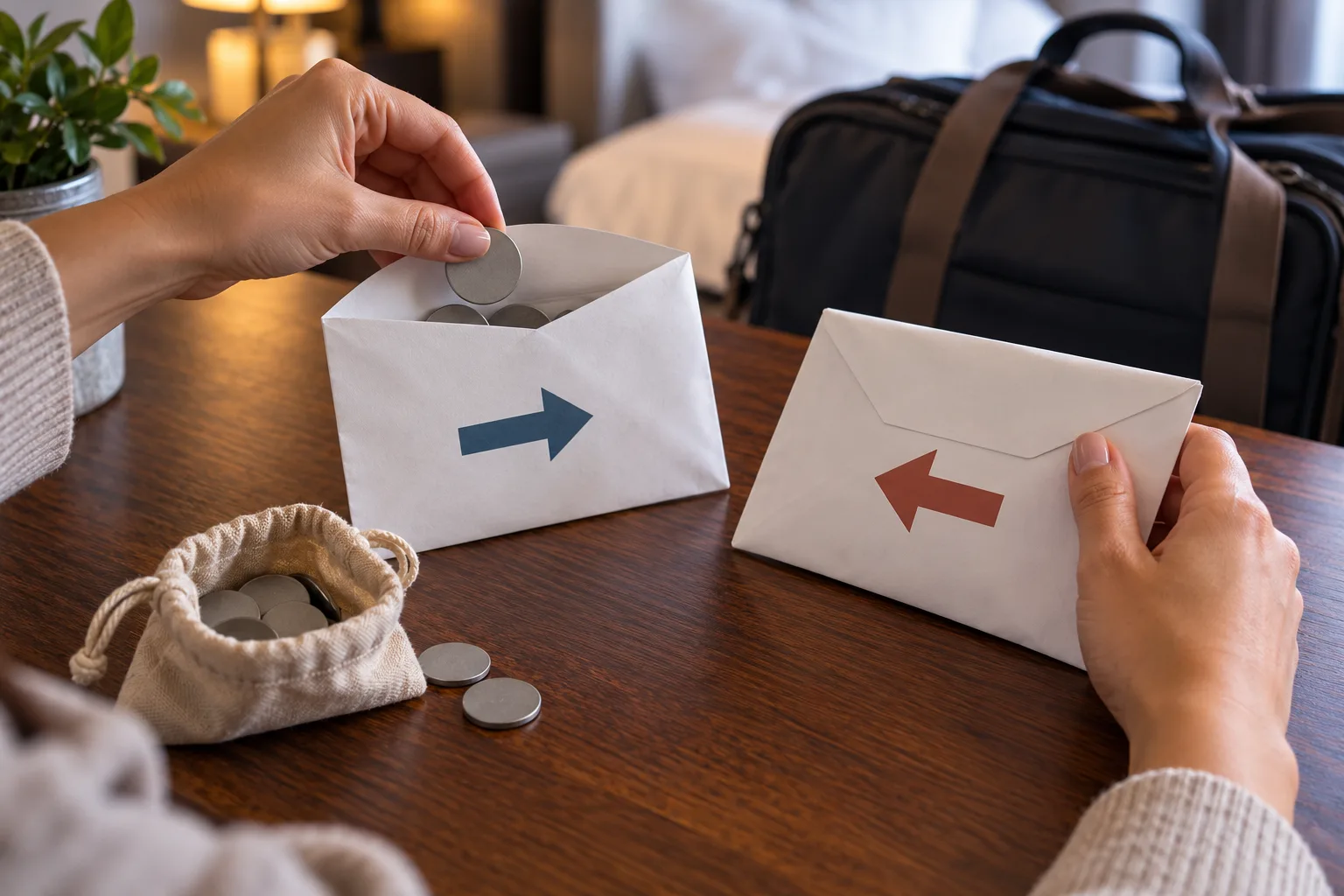
- Save an agreed meeting point outside the affected section, making sure your companion understands which side of the restriction you mean.
- Keep enough transport money for the return journey instead of committing the whole amount to an uncertain outbound reservation.
- Download the complete notice while connected, then reopen the saved copy to check that its map and conditions remain readable.
- Agree on a fallback contact method with your companion before separating, especially when either phone depends entirely on mobile data.
- Confirm a payment centre’s own operating information before making a detour there; a road notice does not establish its service availability.
- Check the pickup arrangement again before leaving your destination, because an outbound agreement may not cover the return location or time.
For illustration, divide a PHP 600 transport budget into PHP 200 outbound, PHP 250 return and PHP 150 held back. These are planning amounts, not Manila fare estimates. If the outbound quote becomes PHP 300, recalculate before accepting it.
That change leaves PHP 300 in total. Preserving PHP 250 for the return would reduce your reserve to PHP 50. The calculation exposes the trade-off before you commit, rather than after an unexpected detour consumes the remaining balance.
Walking distance deserves the same practical treatment. A hypothetical 500-metre alternative pickup is different from a 2-kilometre walk for someone accompanying children or an older relative. Check the route and your group’s needs before agreeing.
Assemble a record for an unusable booking
If a paid ride or reservation becomes disputed, establish what was promised and what happened. The closure notice may explain the surrounding circumstances, but the service agreement determines the specific issue you should describe.
- Save the booking conversation with the agreed service, pickup location, amount and cancellation conditions visible in their original sequence.
- Open your payment history directly and record the transaction reference, recipient and displayed status without relying on the seller’s screenshot.
- Write a short timeline connecting the agreement, payment and failed service, separating confirmed events from explanations offered by the other party.
- Ask the booking service to address the specific mismatch, stating the outcome you seek and attaching only the relevant evidence.
- Use the payment provider’s own help channel for a payment concern, keeping any support reference with your original transaction record.
- Remove sensitive account information from anything you share publicly, while retaining unedited evidence privately for the appropriate support process.
Suppose you paid PHP 200 for a hypothetical 8 a.m. pickup and the seller later offered only a 10 a.m. departure. Your complaint should identify the 2-hour difference and the agreed conditions. Avoid claiming the road notice proves a refund entitlement.
If payment status is unclear, consult the checklist for documenting an e-wallet payment dispute before making another transfer. A seller’s request to pay again does not settle what happened to the original PHP 200.
Ask for an explanation tied to your reference and the actual service agreement. Keep responses together rather than scattering them across separate chats. This makes the unresolved point easier to show without repeatedly sending your complete account history.
Decisions passengers face before setting out
Can I use a screenshot if mobile data is unreliable?
Yes, as a saved reference after checking its source and applicability. Retain the full advisory, including its effective period and conditions. A crop showing only coloured roads can lose the details needed to interpret it.
Does a road closure mean a nearby payment centre is unavailable?
The closure notice alone does not establish whether that business is operating. Check the centre’s own information and confirm whether you can reach it. Keep business availability and street access as separate questions.
Should I send money to secure access through a restricted street?
Do not treat a forwarded offer as proof that paid access exists. Check the original access rules and independently establish what service is being sold. A promise of guaranteed entry needs more evidence than a map.
What if two versions show different restrictions?
Compare their issuing channels, effective periods and any explicit amendment language. A later repost is not necessarily a later instruction. Return to the issuing office’s own channel and identify which version applies to your journey.
Does checking the notice guarantee a trouble-free trip?
No advisory can guarantee your entire journey. Verification helps you avoid acting on an irrelevant image or unsupported payment demand. Keep a workable return plan and follow applicable directions when you reach the affected area.