Tourists return to Metro Manila as long weekend winds down — Payment checks for a PHP 500 budget
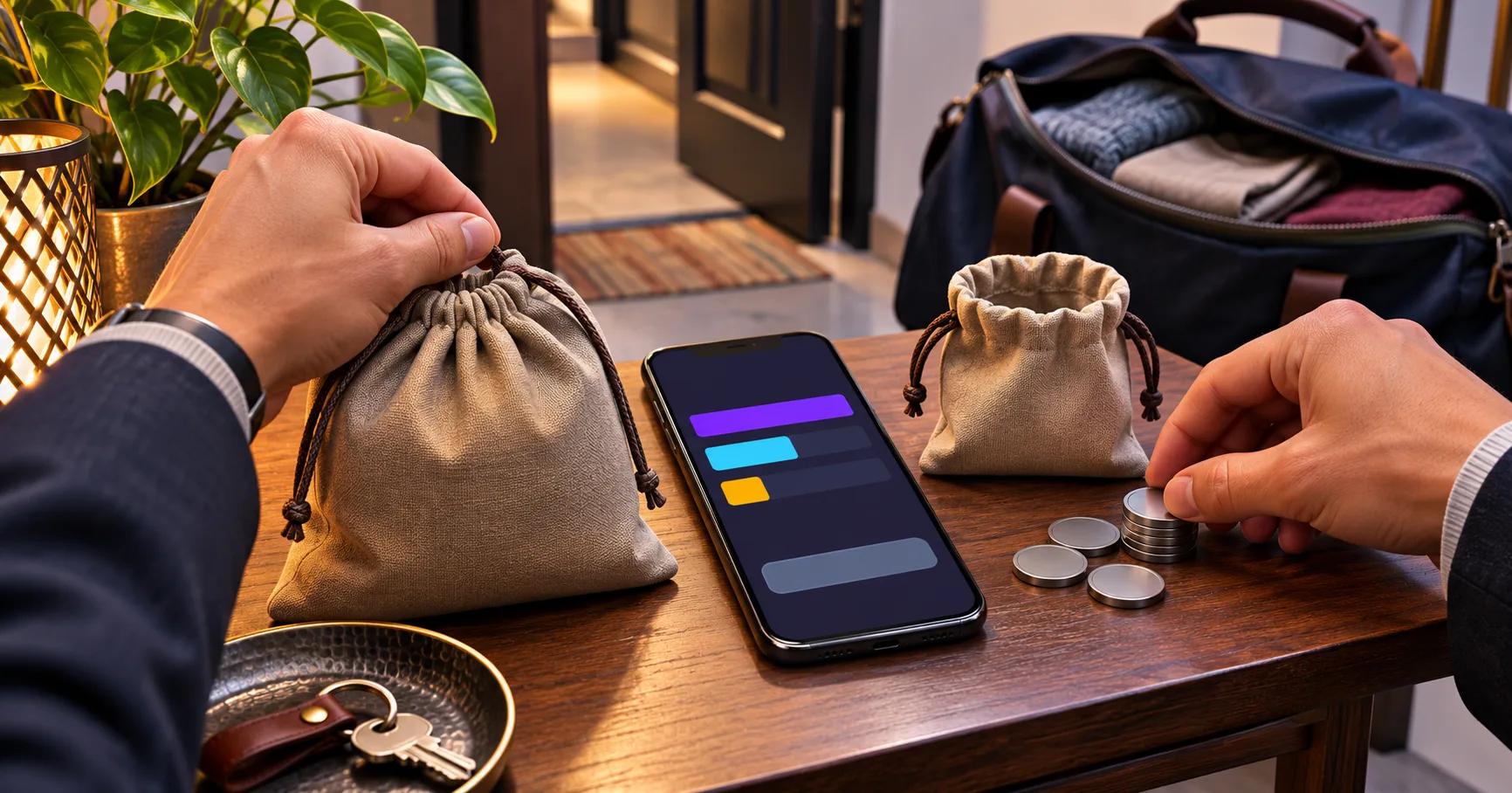
You are back in Metro Manila, your phone is running on prepaid data, and the PHP 500 in your e-wallet still has several jobs.
Some of that money may need to cover transport, food, or another load purchase. Before sending any of it to an unfamiliar online service, work out what must remain available. A balance displayed on a phone is useful only when you can actually spend or withdraw it.
The phrase “Tourists return to Metro Manila as long weekend winds down” describes a travel topic; it does not establish that an online casino appearing beside it deserves a deposit. Treat the payment decision separately. This walkthrough focuses on the costs and conditions you can inspect yourself, without reviewing or recommending an operator.
Why a small deposit needs an exit calculation
With PHP 500 available, a modest charge can change the decision. A hypothetical PHP 20 transfer fee uses 4% of that amount before any other spending. If you send PHP 200 and pay PHP 20 separately, your wallet falls by PHP 220. The receiving balance may still show only PHP 200.
That difference matters when you need money for the journey home. It also matters when a service accepts a small deposit but requires a larger balance for withdrawal. Getting money in and getting it out are separate transactions, with separate conditions to inspect.
Start by distinguishing household money from money you can afford to lose. If the PHP 500 must cover essentials, the amount available for optional spending is zero. A promotion does not change that calculation. Neither does a deposit button that accepts a smaller amount than you expected.
For a hypothetical split, reserve PHP 250 for transport and food and PHP 50 for connectivity. That leaves PHP 200 before payment charges. These are budgeting assumptions, not suggested fares or data prices. Replace them with your actual obligations before deciding whether any discretionary payment makes sense.
Verification reduces uncertainty about the transaction; it cannot guarantee a good outcome or make gambling profitable. Use calculating the full cost of a deposit to distinguish the amount sent, the amount received, and the amount left available.
Six checks from wallet balance to usable cash
- Open the service directly and compare its website address, registered company details, and payment recipient before entering an amount or approving a transfer.
- Read the final payment screen for the total wallet debit, any separate charge, and the amount expected to reach your account.
- Compare deposit and withdrawal minimums for your chosen method, including whether a different cash-out route carries different limits or conditions.
- Check account eligibility, identity requirements, and account-name matching before depositing, using the service’s own terms and secure verification process.
- Inspect any promotion’s withdrawal restrictions and qualifying activity, then decline the offer if those conditions conflict with your spending limit.
- Save the transaction reference and payment status, and establish how to report a pending transfer before considering another attempt.
Run these checks while you have a stable connection and enough time to read. A crowded terminal or moving vehicle makes careful comparison harder. Waiting until you are settled costs no deposit money and reduces the chance of approving a screen you barely inspected.
Matching company details across pages helps expose inconsistencies, but matching text alone is not proof of trustworthiness. Look for contradictions between the footer, terms, cashier, and support response. If the recipient differs from the company shown, request a clear explanation through the service’s established support channel.
Calculate the debit, credit, and return separately
Consider a hypothetical payment with a PHP 200 wallet debit and a PHP 10 charge deducted from that amount. The account receives PHP 190. If the charge instead sits on top, the wallet debit becomes PHP 210 and the account receives PHP 200. The same quoted fee produces different balances.

Now suppose the hypothetical withdrawal minimum is PHP 300. A PHP 190 balance would sit PHP 110 below that threshold. That gap is a condition to evaluate before depositing, not a reason to add more money afterward. Your original budget remains the limit.
A separate withdrawal charge changes the calculation again. If a hypothetical PHP 300 withdrawal incurs a PHP 15 deduction, the net receipt is PHP 285. Check whether the minimum applies to the requested amount or the amount after deductions. Ask for the relevant terms when the wording is unclear.
Payment routes deserve individual attention because the route you use to fund an account may not be the route available for receiving money. Compare the selected e-wallet or payment-centre option with the actual withdrawal choices. Do not assume that a familiar payment logo establishes identical conditions across services.
Price the conditions attached to the balance
A promotional balance can carry obligations that ordinary cash does not. Read what qualifies, which balance is used first, and what happens if you cancel. A larger displayed total is not automatically a larger withdrawable amount. The distinction matters most when your starting budget is small.
For a hypothetical calculation, a PHP 100 bonus with a 20× requirement on the bonus alone means PHP 2,000 in qualifying wagers. If the stated base includes a PHP 200 deposit as well, 20× PHP 300 means PHP 6,000. The base changes the obligation substantially.
Those totals describe cumulative wagering, not an upfront payment or a guaranteed loss. They also do not predict how much money will remain. Check how wagering requirements are calculated before accepting conditions that could encourage spending beyond your original limit.
Identity checks and account restrictions can also affect access to funds. Read the eligibility rules and required documents before payment, rather than discovering them during withdrawal. Submit sensitive documents only through the service’s established secure process. A chat message asking for your wallet PIN is not an identity check.
Warning signs that make a low-cost offer expensive
A cheap-looking entry point can conceal an awkward exit. The useful question is whether the service makes the complete transaction understandable before taking your money. Pressure, inconsistent instructions, and unexplained charges weaken that confidence. Several small inconsistencies can matter more than one polished promotional page.
- The cashier accepts your planned deposit, but the withdrawal page sets a higher minimum without clearly explaining how remaining balances are handled.
- A support message introduces a release payment or additional deposit that you cannot locate in the terms governing your original transaction.
- The payment recipient changes between attempts, while support cannot explain the relationship between that recipient and the company operating the service.
- A promotion displays extra credit prominently but makes the qualifying balance, withdrawal restrictions, or cancellation consequences difficult to inspect before acceptance.
- A failed-looking screen encourages another payment even though your wallet already records a debit and the first transfer remains unresolved.
- An agent requests your password, one-time code, or wallet PIN, or directs you to submit identity documents through an unrelated personal account.
A warning sign is a reason to pause, preserve evidence, and seek a verifiable explanation. It is not, by itself, a complete finding about fraud. Keep your response proportionate to the evidence. You can decide against a deposit without proving that anyone intended wrongdoing.
Changing networks can complicate the picture without changing the underlying transaction. A page may stop loading after authorization while the wallet records a debit. The visible interruption does not establish whether the receiving account was credited. Check both records before touching the payment button again.
Build a dispute around the money movement
When a payment does not appear where expected, stop adding money and record the current state. Separate a missing deposit from a rejected withdrawal or a disputed fee. Each problem needs a different explanation. A precise complaint is easier to investigate than a general statement that the account is broken.
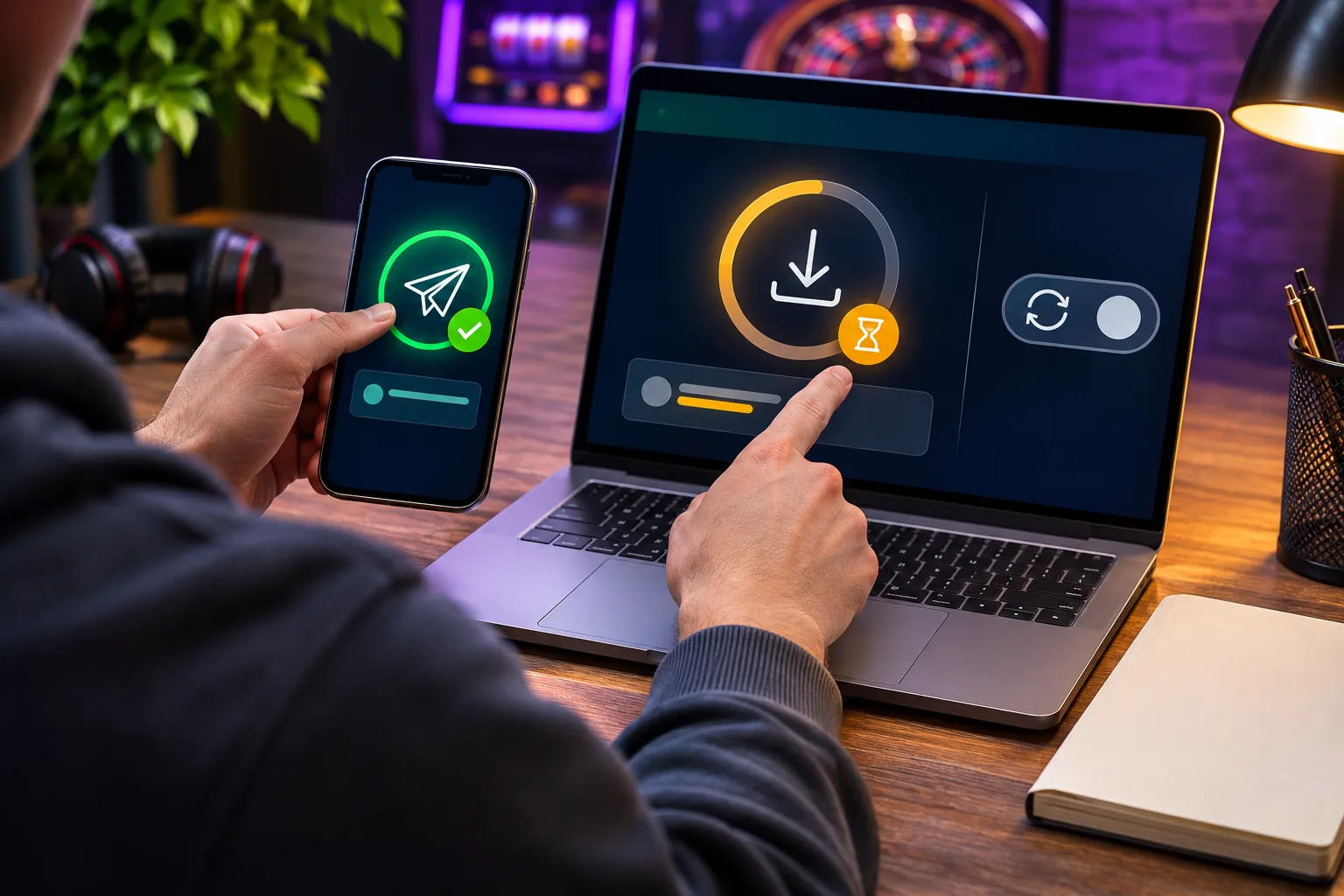
Suppose your wallet shows a hypothetical PHP 210 debit, while the receiving account shows PHP 200. Your question concerns the PHP 10 difference and its disclosure. If the account shows no credit at all, your question concerns the transfer’s destination and status. Keep those requests distinct.
- Capture the wallet debit, receiving-account history, amount, time, and transaction reference, while concealing unrelated balances and personal information before sharing copies.
- Ask the service to identify the transaction status and explain any deduction by pointing to the terms applicable when you authorized payment.
- Contact the payment provider through its established help channel if the debit remains unresolved, and retain the case reference for follow-up.
Use documenting a disputed e-wallet payment to keep the evidence together. Preserve the original confirmation as well as later status changes. A cropped image can be useful for privacy, but retain the complete original privately in case a legitimate investigator needs additional transaction details.
Request a written answer describing the next action and any applicable reporting deadline. Do not invent your own waiting period from another person’s experience. The relevant payment provider’s process is the place to check escalation options. Recovery depends on the transaction and investigation; a complaint does not guarantee reimbursement.
Questions about keeping PHP 500 accessible
Should I deposit the full PHP 500 to avoid repeated charges?
Only evaluate charges after reserving money for essentials. Sending more may reduce the number of transfers, but it also exposes more money to account restrictions and potential losses. If the smaller amount is uneconomical, skipping the payment preserves your budget.
Does switching from mobile data to Wi-Fi cancel a transfer?
Do not treat a connection change as cancellation. Inspect the wallet history and receiving account for the original payment status. If they disagree, report the transaction reference before retrying. Another attempt may create another debit rather than resolve the first one.
Should I top up a balance below the withdrawal minimum?
Read the terms and ask how residual balances are handled before sending more. A top-up increases the money committed and may introduce further conditions. Request the options for returning or closing out the balance, and assess them against your original spending limit.
Can a successful small withdrawal prove the service is trustworthy?
It establishes that one withdrawal completed under those circumstances. It does not guarantee later payments, explain every restriction, or justify a larger deposit. Continue checking the terms that apply to each transaction and keep essential money outside the account.